
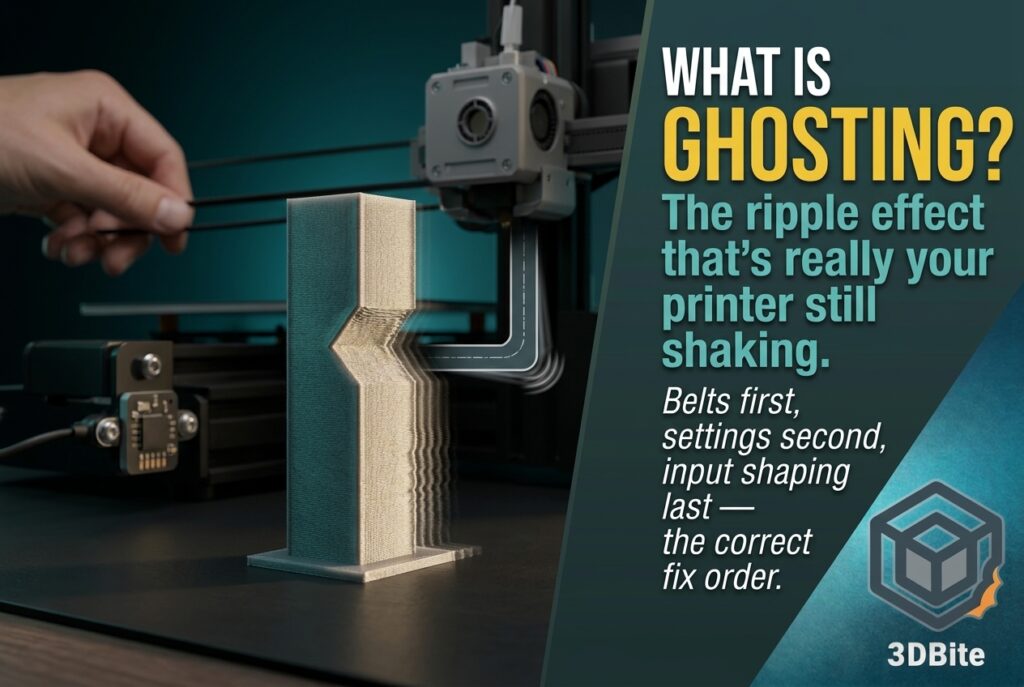
What Is Ghosting (Ringing), and How Do You Actually Fix It?
Pull a print off the bed, look at it under a raking light, and you spot a faint series of
This is where the real learning sits.
Most of the content here is built from practical use. Every setting, workflow, and recommendation comes from prints that have either worked well or gone wrong and been fixed. The aim is simple: reduce trial and error and help you get to reliable results faster.
Alongside that, you’ll also find occasional breakdowns of new printers, tools, and features. These aren’t news for the sake of it. The focus is always on what actually matters in real use, what’s changed, and whether it’s worth your attention.
Pull a print off the bed, look at it under a raking light, and you spot a faint series of
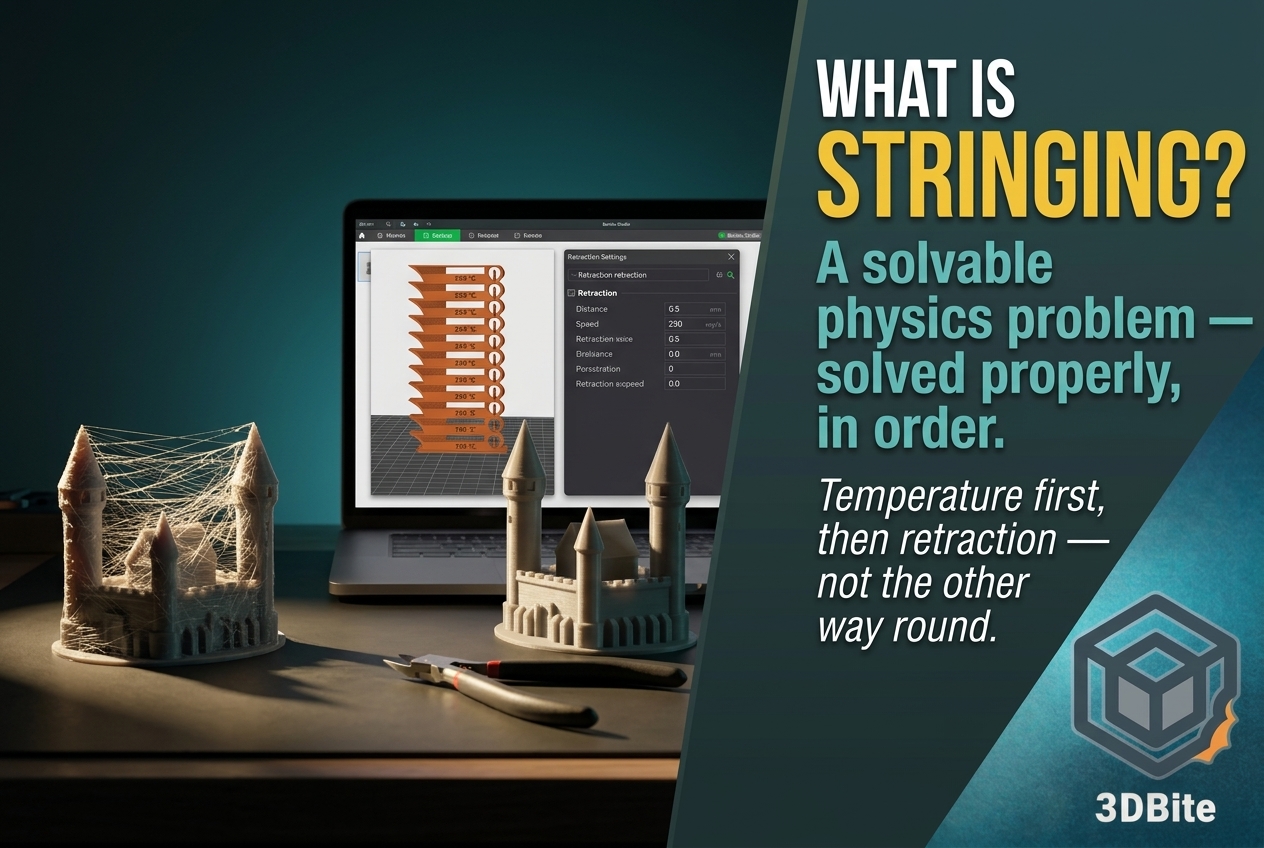
You pull a print off the bed and it looks like a spider has built a web between every tower,

Between the self-hosted tools post and the later dedicated Bambuddy deep dive, this site has now covered three separate self-hosted
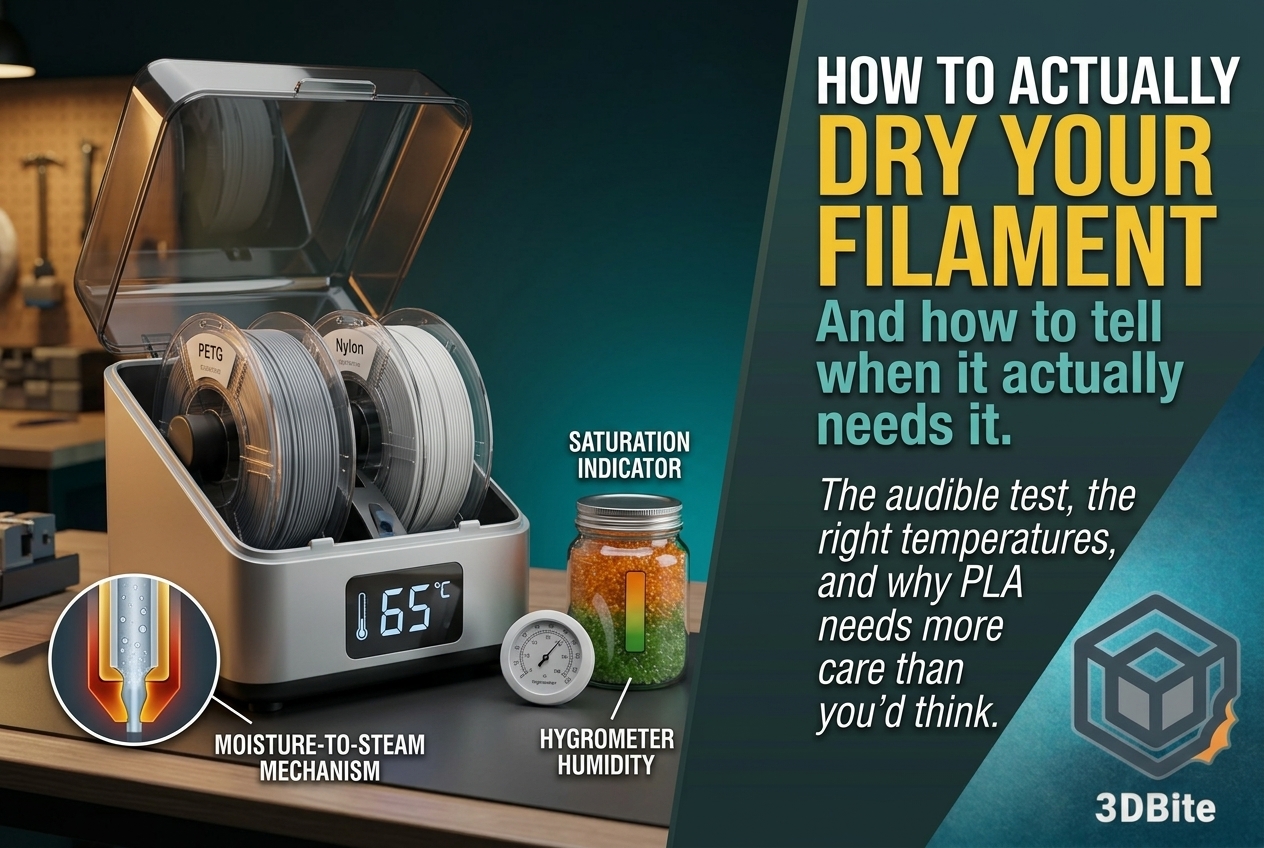
Wet filament is the invisible print killer this site keeps circling back to without ever giving it the dedicated treatment
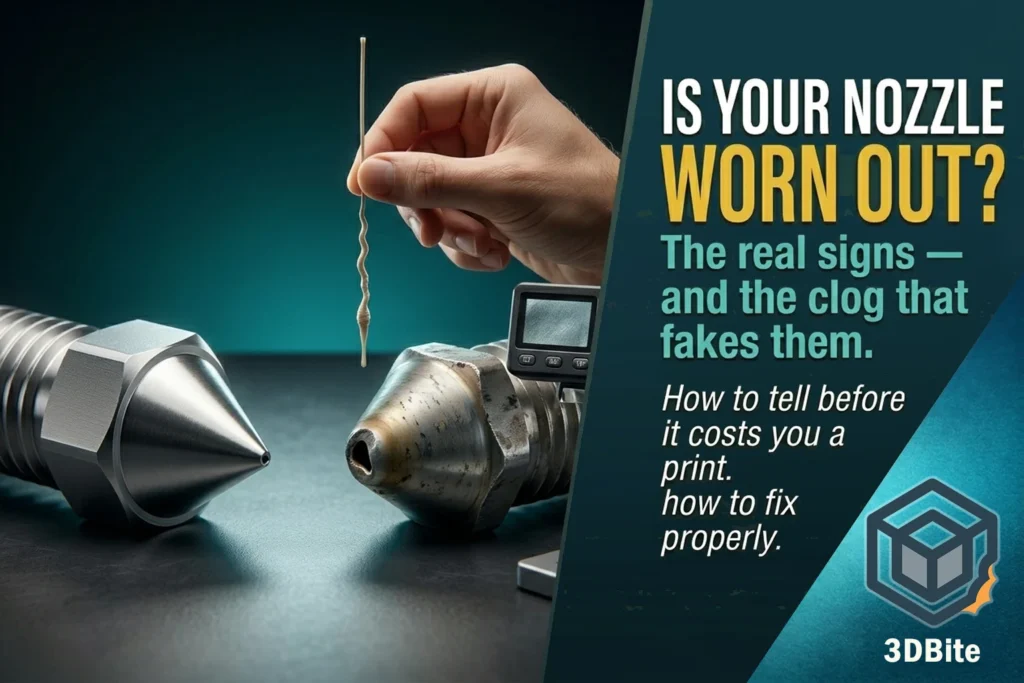
A nozzle is a genuinely cheap part — a few pounds for brass, a bit more for hardened steel —
Multi-colour AMS printing and multi-part colour separation cover a lot of ground on this site, but there is a category
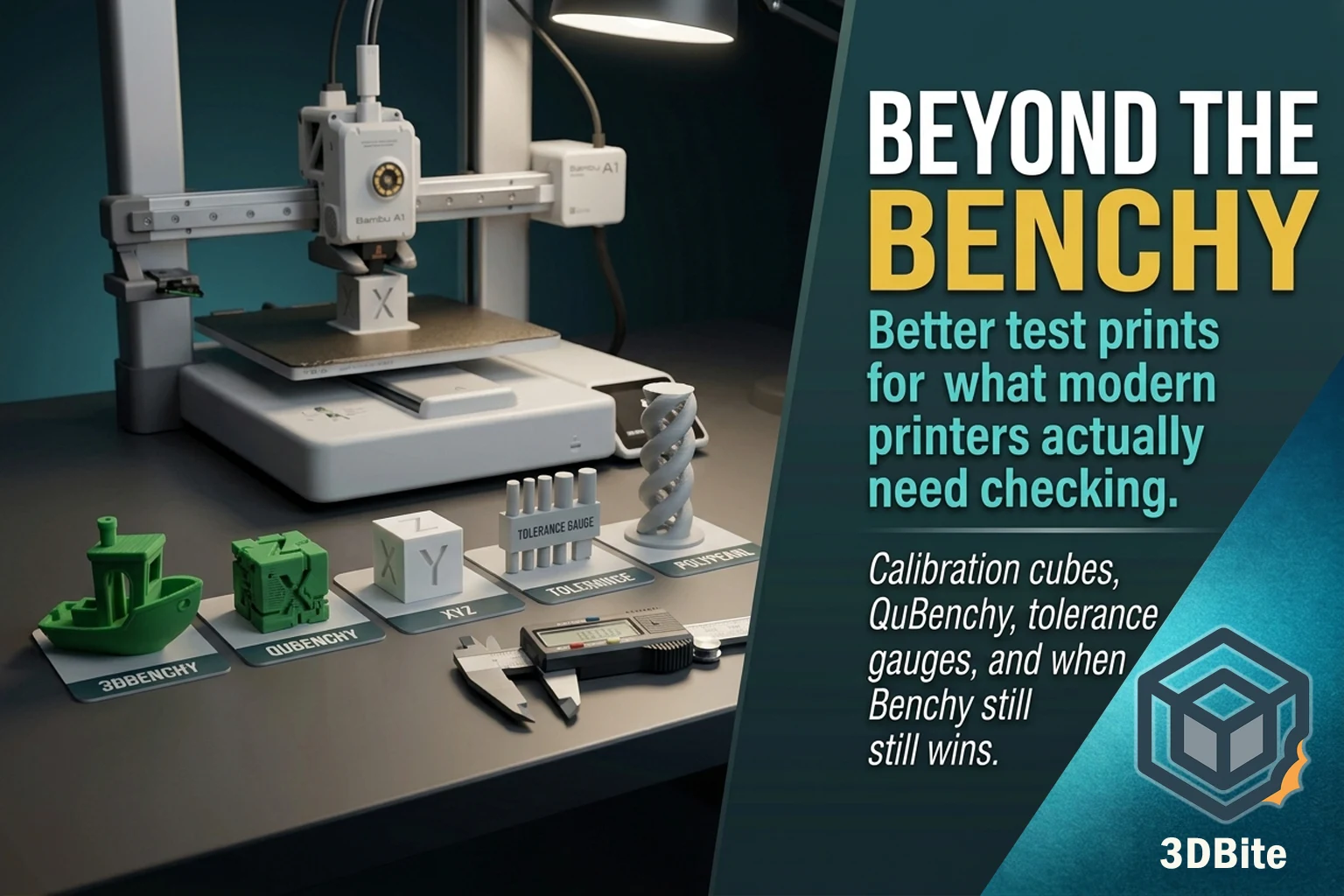
Benchy has been the default test print for so long that printing one is treated almost as a rite of
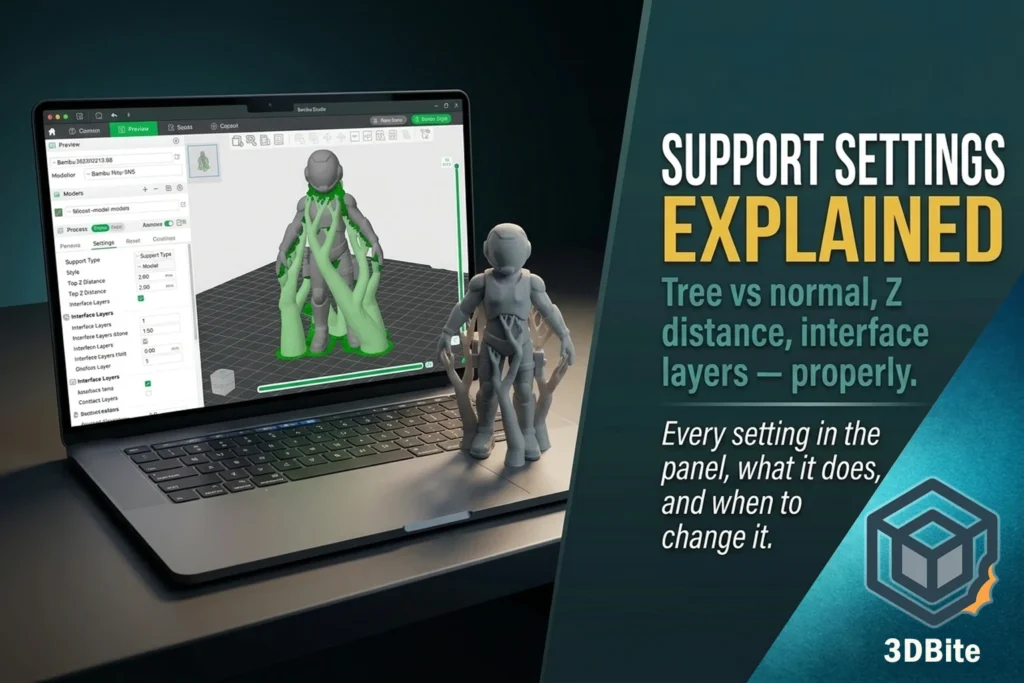
Supports are one of those settings panels most people leave on Auto forever, and for a lot of prints that

Yes, you can absolutely polish PLA to a smooth, glossy, layer-line-free finish. The bit that trips people up before they
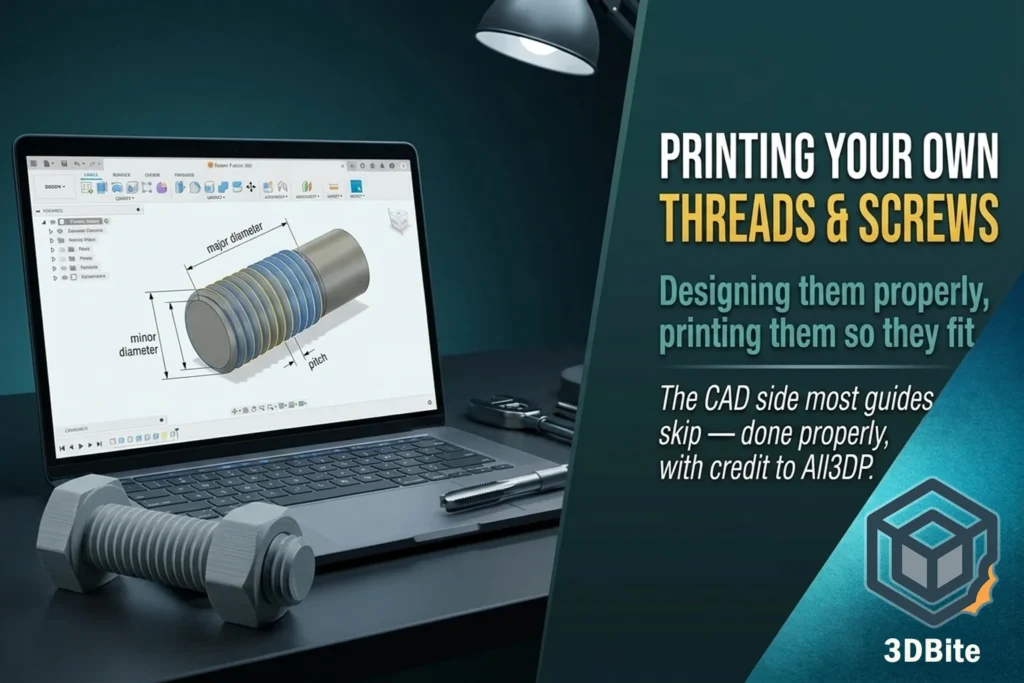
All3DP published a genuinely useful guide on printing your own threads and screws — Threads & Screws: 3D Print Them
The beginner printers post touched on this from one specific angle — the A1 Mini’s build volume limitation is a
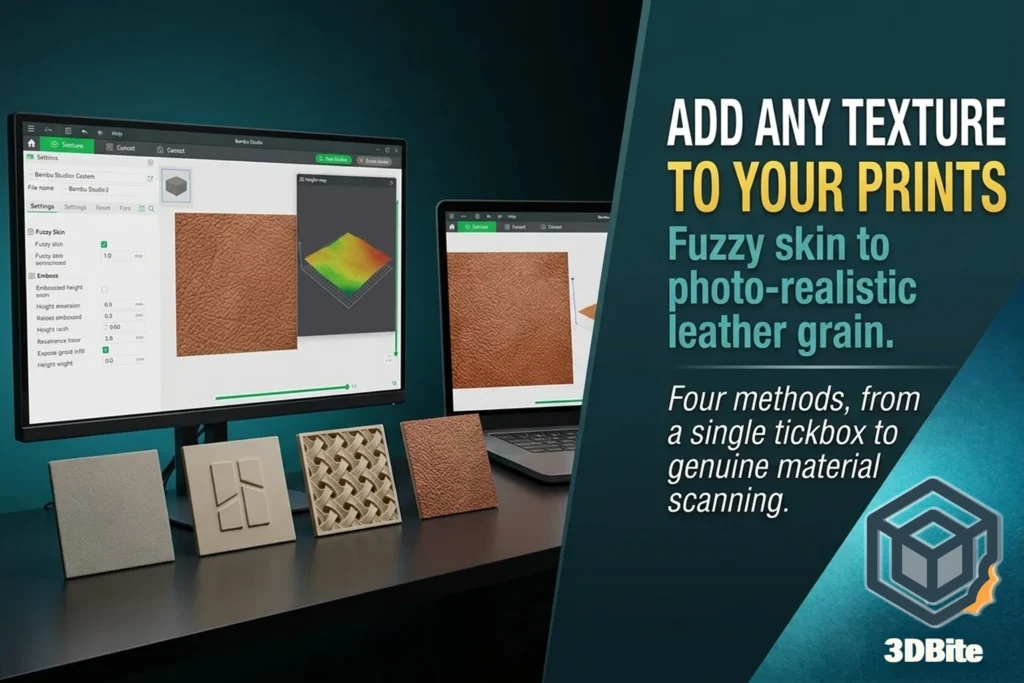
A perfectly smooth, glossy plastic surface is not always what you want. Sometimes the more interesting result is a print