
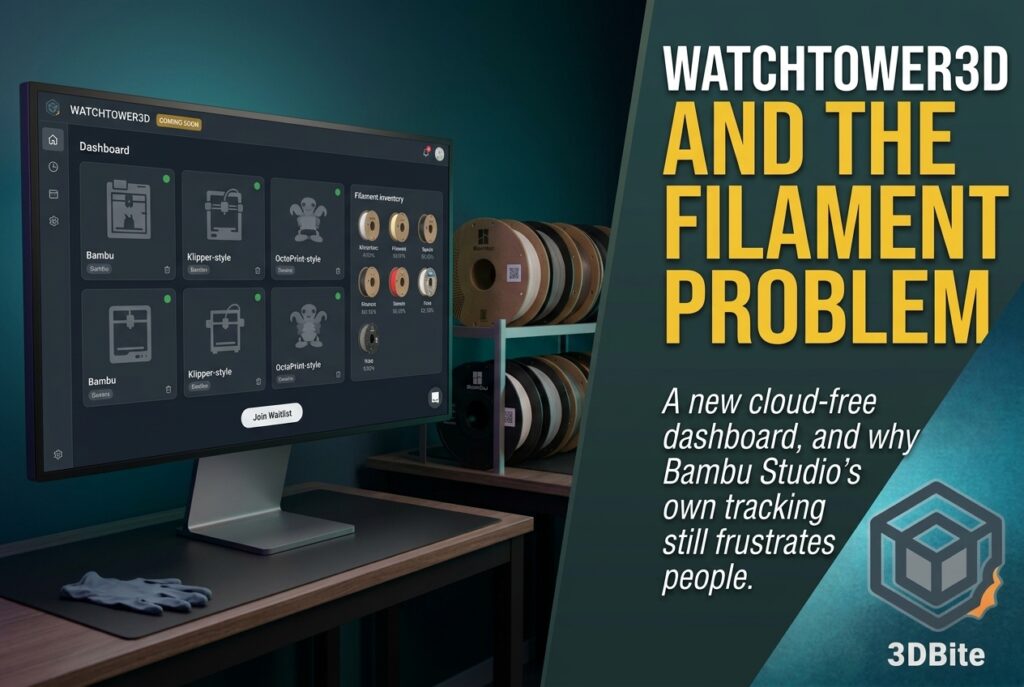
Watchtower3D: A New Cloud-Free Dashboard, and Why Bambu Studio’s Filament Tracking Still Frustrates People
Watchtower is a new entrant into the same self-hosted, cloud-free printer dashboard space this site has covered through Bambuddy —
This is where new printers, tools, software, and products get a proper look. Reviews and Radar covers the hardware I am considering, the tools worth knowing about, and the launches worth paying attention to — written from the perspective of someone who prints every day rather than a lab running benchmarks. Some of these are machines I own and have tested. Others are products I am watching closely, evaluated honestly using independent reviews and real-world community data. Nothing here is sponsored and nothing is written to a brief. If something earns a recommendation it is because the evidence supports it. If it does not, that gets said too.
Watchtower is a new entrant into the same self-hosted, cloud-free printer dashboard space this site has covered through Bambuddy —
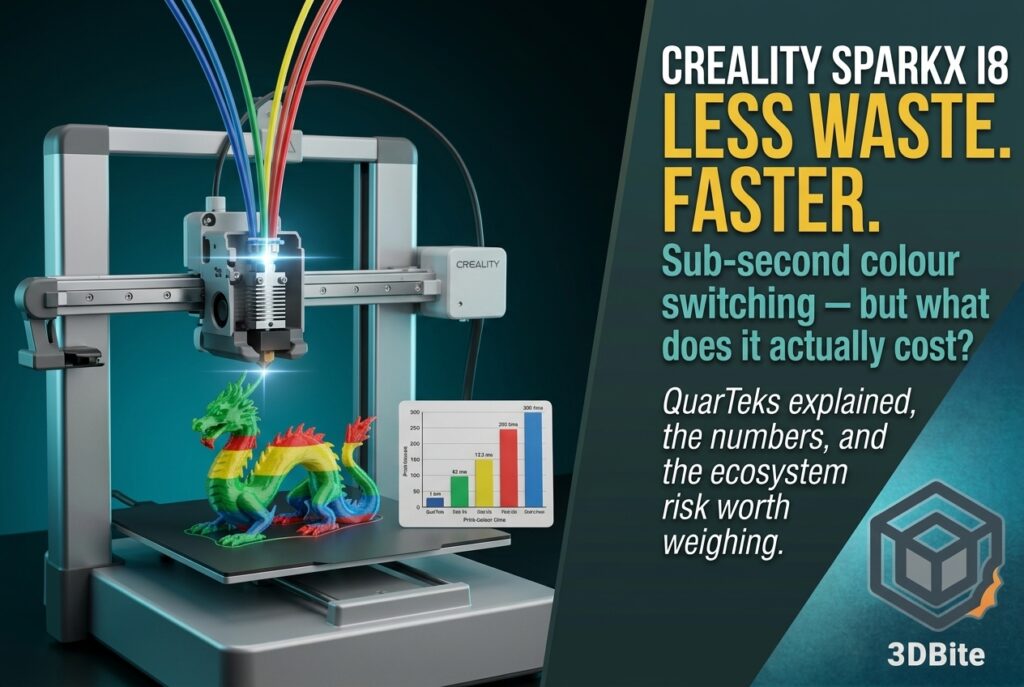
Creality announced the SparkX i8 on August 19, 2026, and it takes a genuinely different approach to the multicolour waste
TCT Magazine’s Sam Davies published a genuinely interesting interview on September 8, 2026 with Matthew Stark, Mimaki USA’s 3D Segment
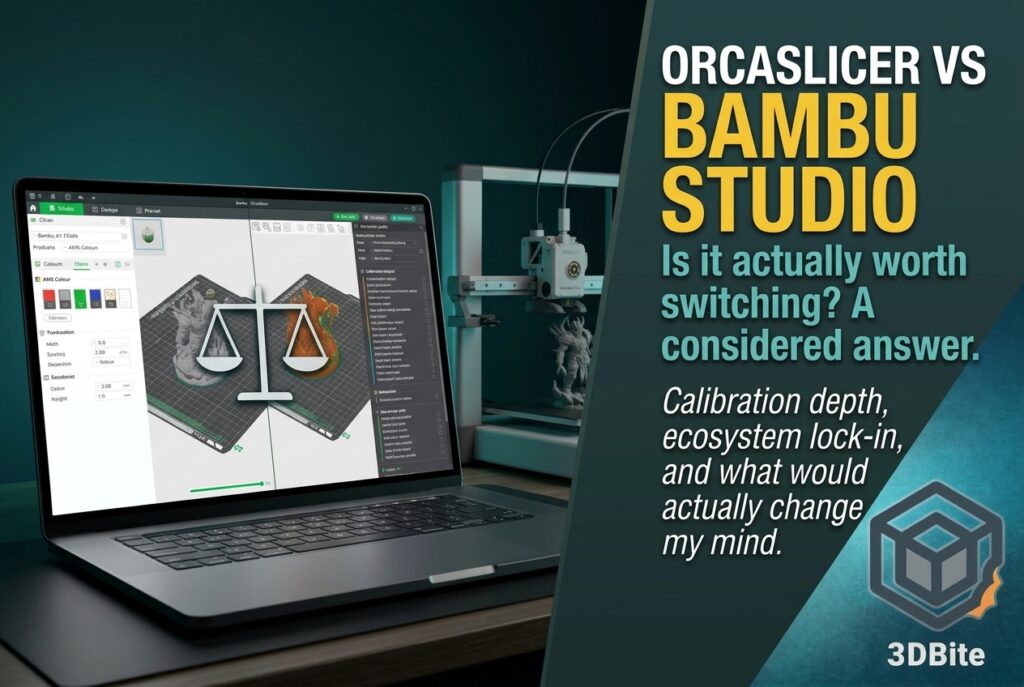
I use Bambu Studio for essentially everything on this desk, and I am, by my own admission, comfortably locked into
Two weeks after the R1 laser teaser landed, a second and genuinely different Bambu Lab expansion story broke — this
Every few months a Kickstarter lands promising to solve the multi-colour waste problem once and for all, and this site
The HueForge post from a few days ago covered a year of genuinely good experience with the tool that turns
I have been using HueForge for over a year now, and it is one of the few pieces of software
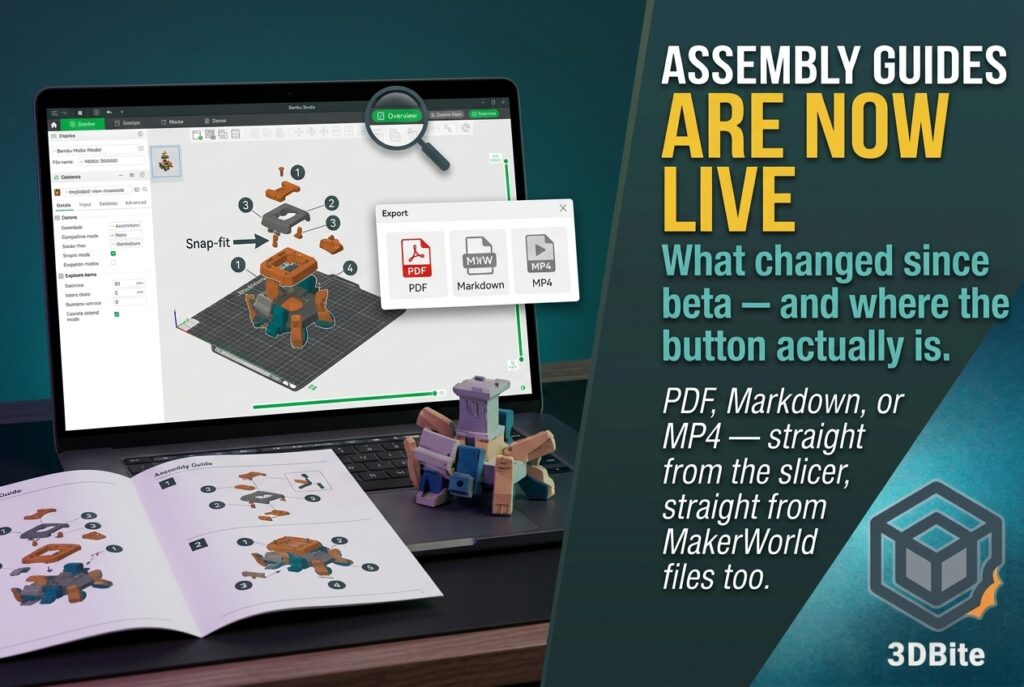
All3DP’s Carolyn Schwaar covered this on August 20, 2026 — Bambu Studio Can Now Build Assembly Guides for Your Models

UCL Engineering published a piece of research on August 20, 2026 that I want to spend proper time with, because
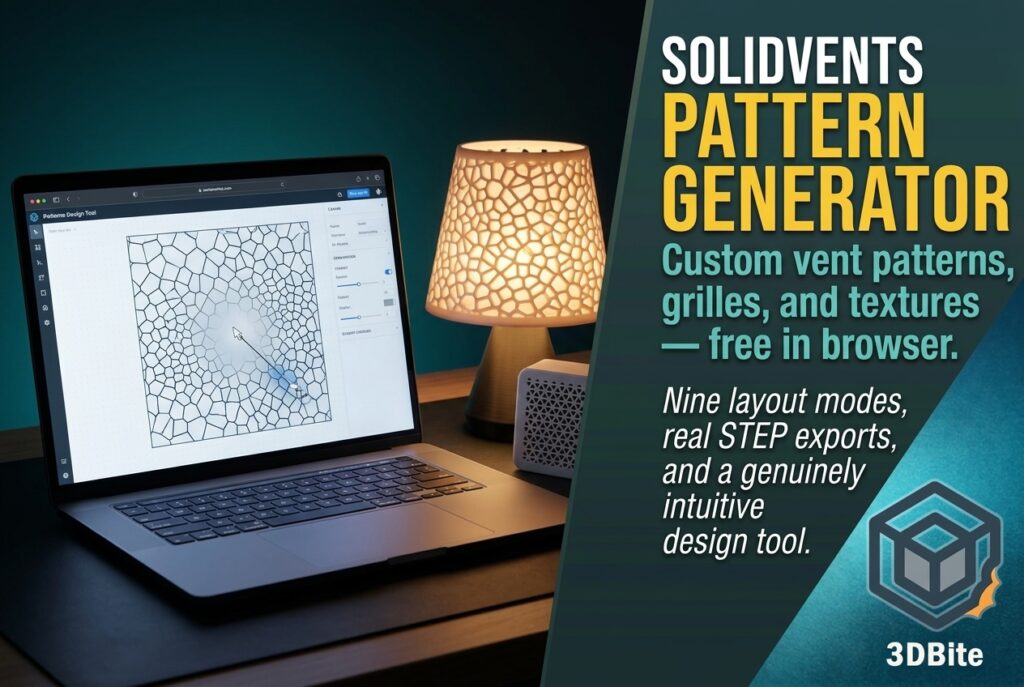
The exposed-infill technique covered in the texturing post uses whatever pattern happens to be sitting in the slicer’s infill library
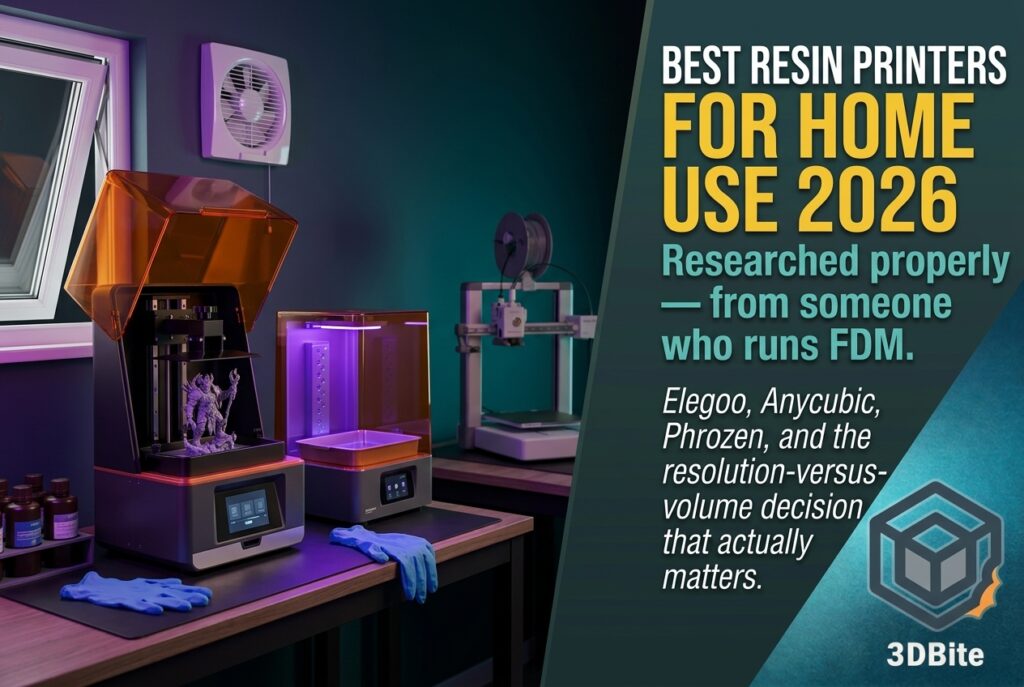
Everything on this site so far has been FDM — the A1, the A2L, filament, extrusion, all of it. Resin