
Practical 3D printing, one project at a time
I share the prints, ideas, and experiments that work in real homes. From small gifts to useful everyday tools, this is my workshop log.
What I am printing right now
The desk has shifted focus over the last few weeks. The A2L has settled into proper daily use rather than sitting there as a novelty, and it is currently carrying anything that needs the bigger bed. The dual BMCU setup on the A1 is still an ongoing project, but eight colours in a single job is now reliably reachable rather than a lucky outcome, which was the whole point of the exercise.
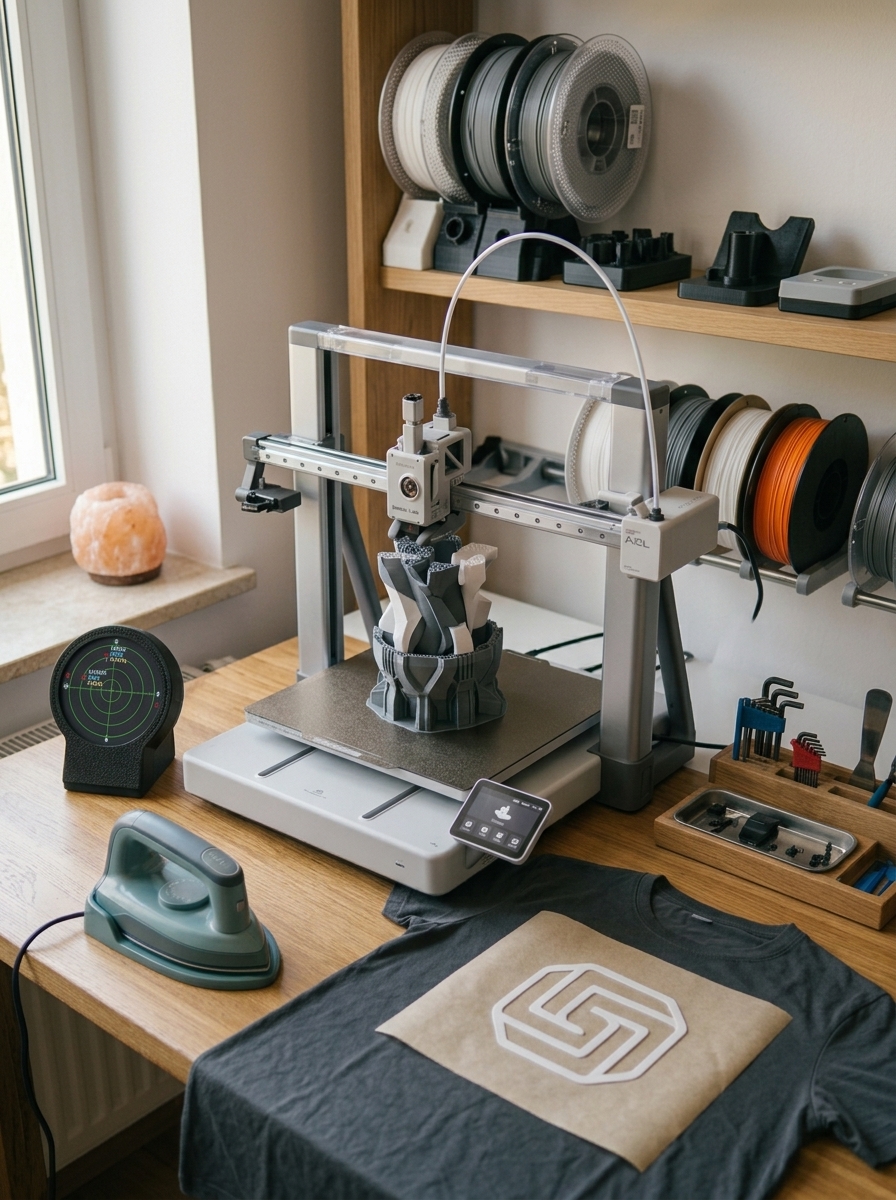
The interesting new thread this week is TPU. I have started actually testing the iron-on t-shirt transfer method I wrote up recently: print a design in TPU onto baking paper, iron it onto a shirt, no heat transfer vinyl or screen printing gear required. The write-up is getting more attention than almost anything else on the site this month, so if you missed it, it is worth a read: How to Use Your 3D Printer to Make Custom T-Shirt Designs. First cotton test shirt is through its wash cycle as I write this, results soon.
The plane radar project is also done, and it has turned into one of my favourite things on the desk. The ESP32 Plane Radar combines a tiny microcontroller and a round display with live ADS-B aircraft data, and having it sitting there quietly tracking whatever is flying overhead never gets old. It went together cleanly, the parts cost next to nothing, and I liked it enough to print and build a few more, one for the desk and a couple as gifts.
On the radar this week: The LightMake L4 landed with some big claims about solving the multi-colour waste problem using four independent print heads, and ColorSmith, the HueForge creator’s new colour-reduction tool, is worth a look if you have ever found HueForge’s palette step fiddly.
Head to the Projects section for the full build logs, settings, and honest notes on what worked and what did not.
What’s New & Worth Knowing
Printers, tools, and products worth knowing about. Honest editorial from an experienced hobbyist — covering new releases, considered purchases, and anything on the 3D printing radar worth your attention.
-
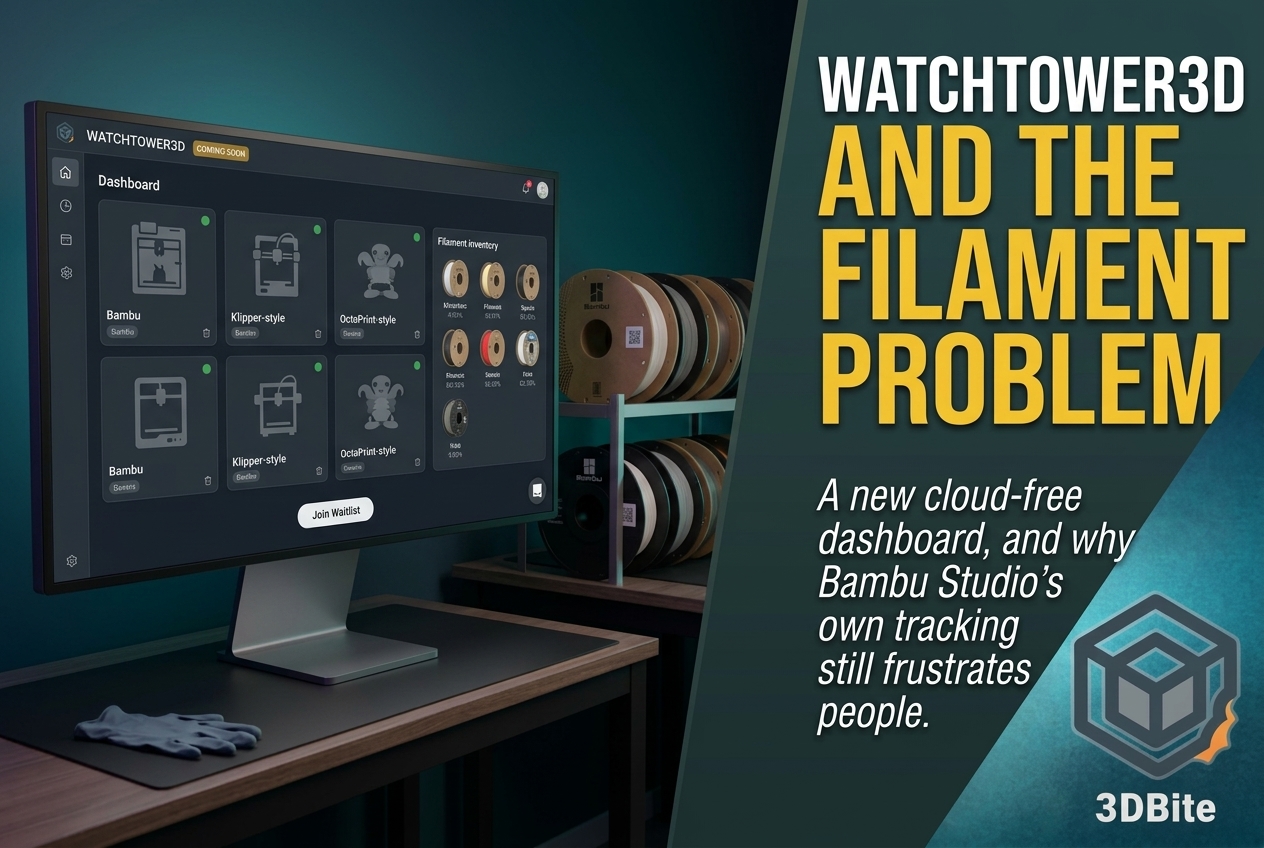
Watchtower3D: A New Cloud-Free Dashboard, and Why Bambu Studio’s Filament Tracking Still Frustrates People
Watchtower is a new entrant into the same self-hosted, cloud-free printer dashboard space this site has covered through Bambuddy — but it is worth being clear upfront about where it actually sits right now. It is a Kickstarter project in pre-launch “coming soon” status, with a waitlist reported at around 1,000 signups, rather than a…
-
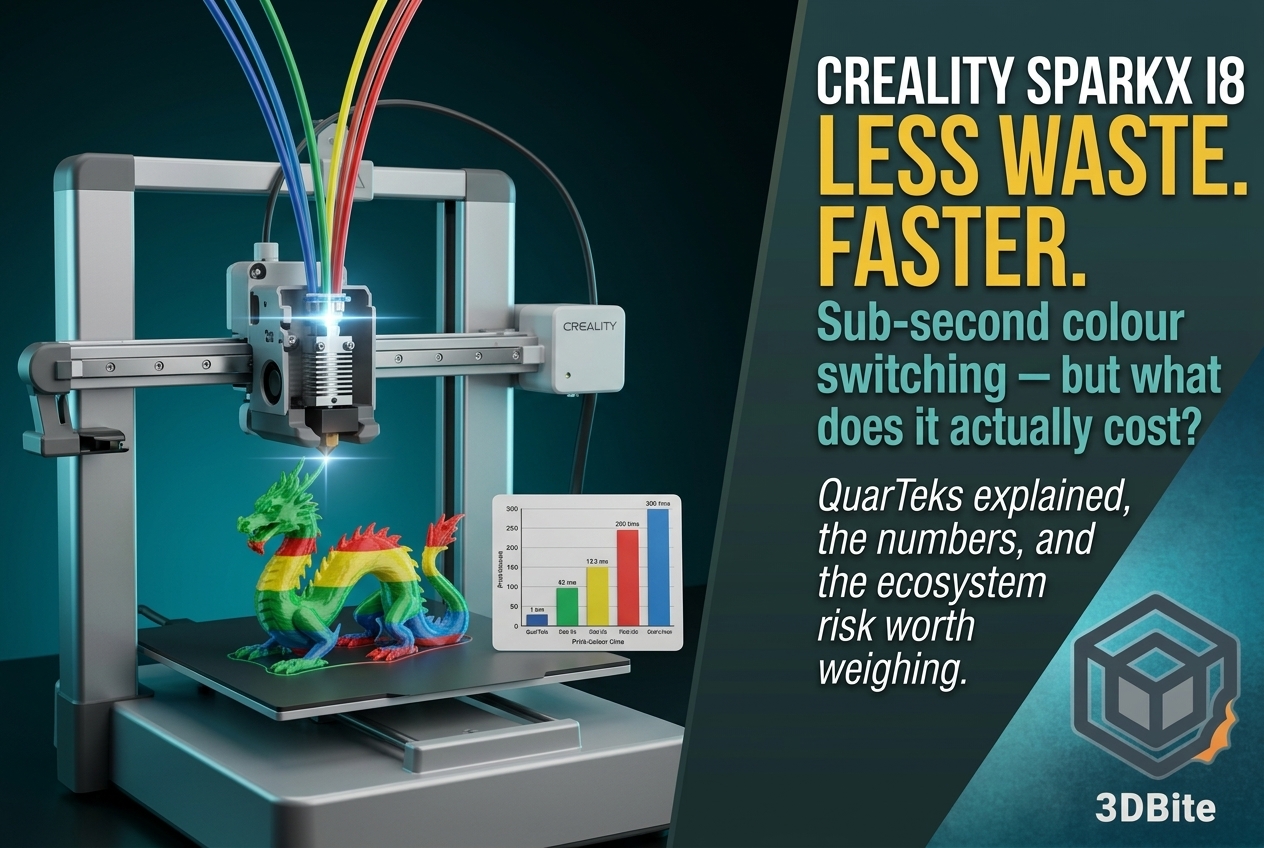
The Creality SparkX i8: Sub-Second Colour Switching, Far Less Waste — But What Does It Cost?
Creality announced the SparkX i8 on August 19, 2026, and it takes a genuinely different approach to the multicolour waste problem than anything else this site has covered — not a toolchanger like the Vortek H2C or InfiMech MX Pro, not an IDEX hybrid like the Sovol M1D, not four fully independent heads like the…
-
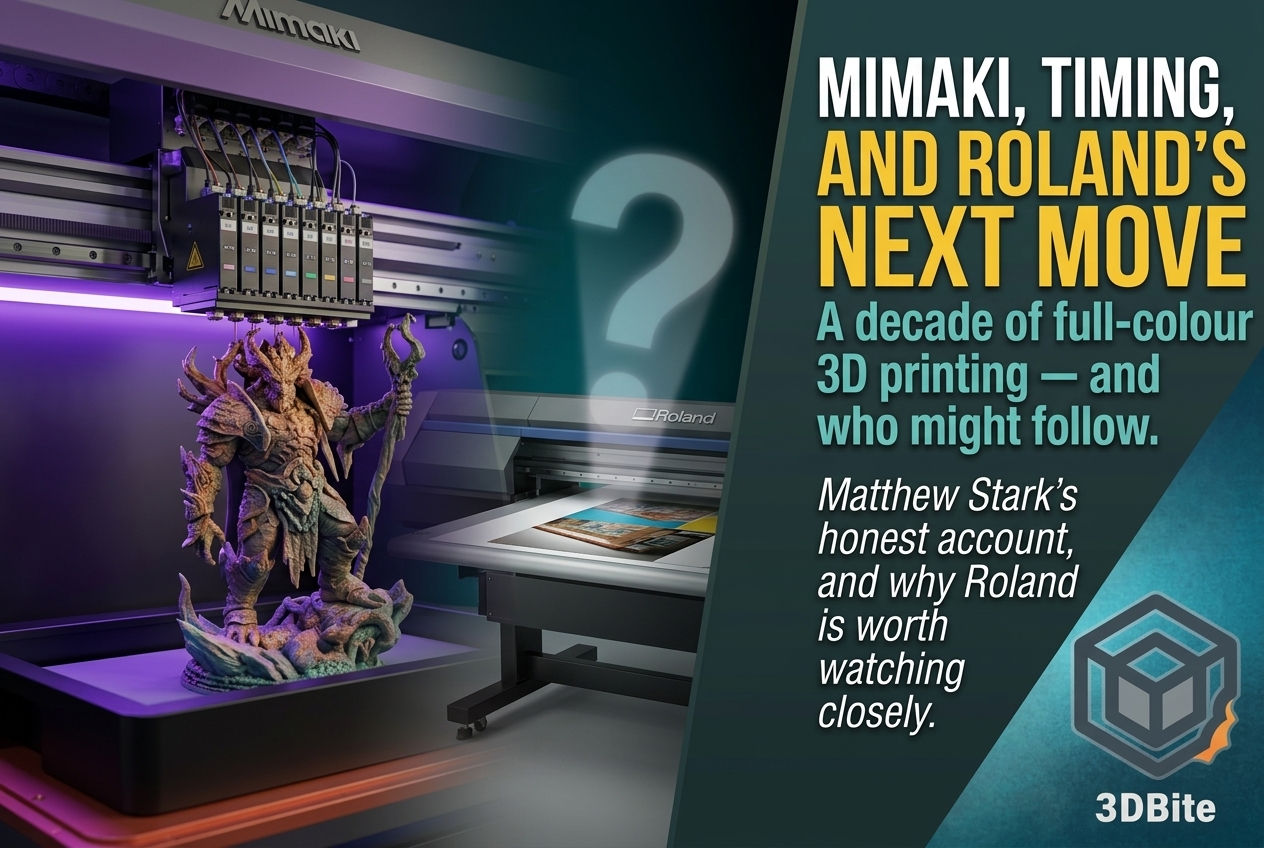
Mimaki, Full-Colour 3D Printing, and the Question of Whether Roland Joins the Party
TCT Magazine’s Sam Davies published a genuinely interesting interview on September 8, 2026 with Matthew Stark, Mimaki USA’s 3D Segment Manager — Mimaki’s Matthew Stark: ‘In full-colour 3D printing, timing is a huge thing’ — reflecting on nearly a decade of Mimaki’s full-colour material jetting business. Full credit to Sam Davies and TCT for the…
Recent prints from the workshop
A mix of functional home items, small gifts, and experiments. All printed on the A1 unless noted.
-
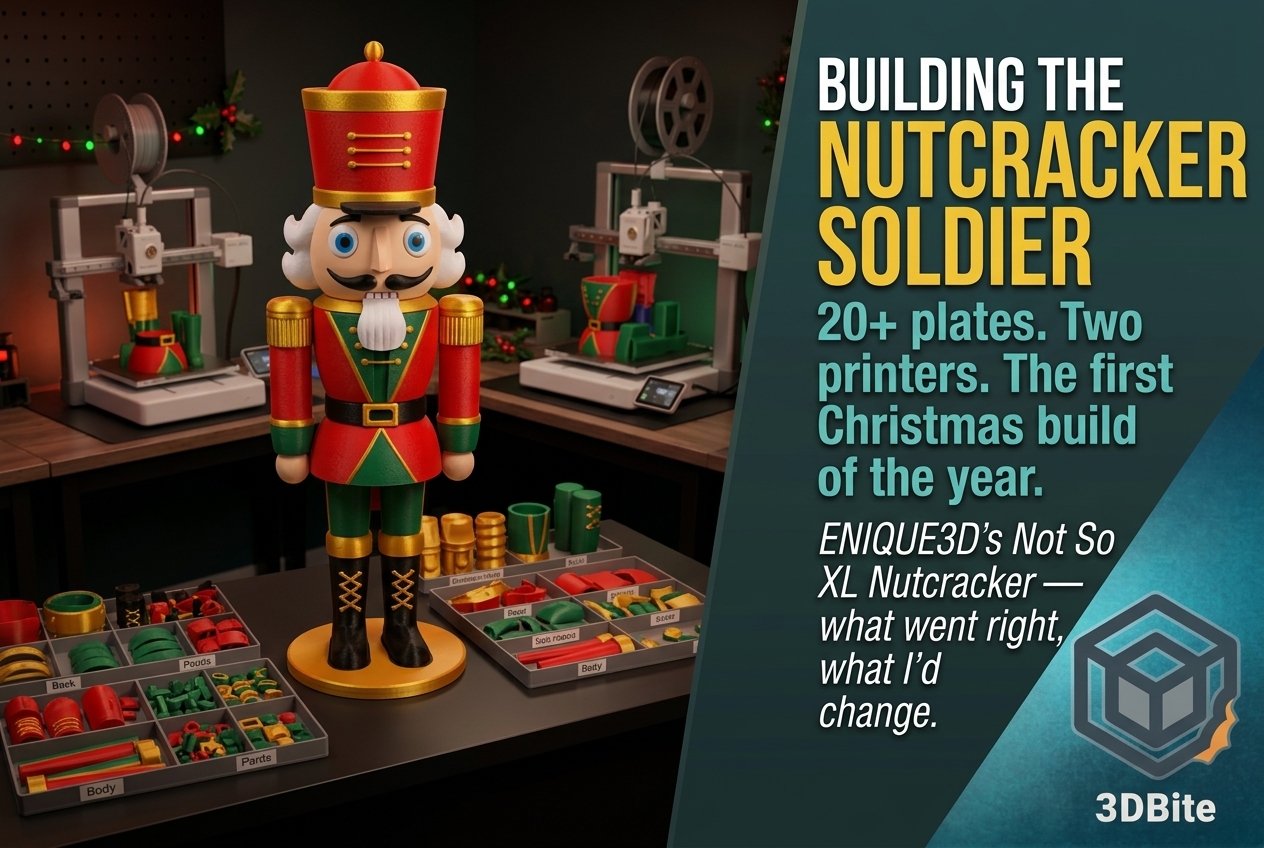
Building the Not So XL Nutcracker Soldier
The Christmas builds have started, and the Not So XL Nutcracker Soldier from ENIQUE3D is the first one off the plate for this season. Standing at roughly 70cm once assembled, this is the same UK-based designer whose seasonal XL-scale figures have been a genuinely good fit for the two-printer workflow this site has built up…
-
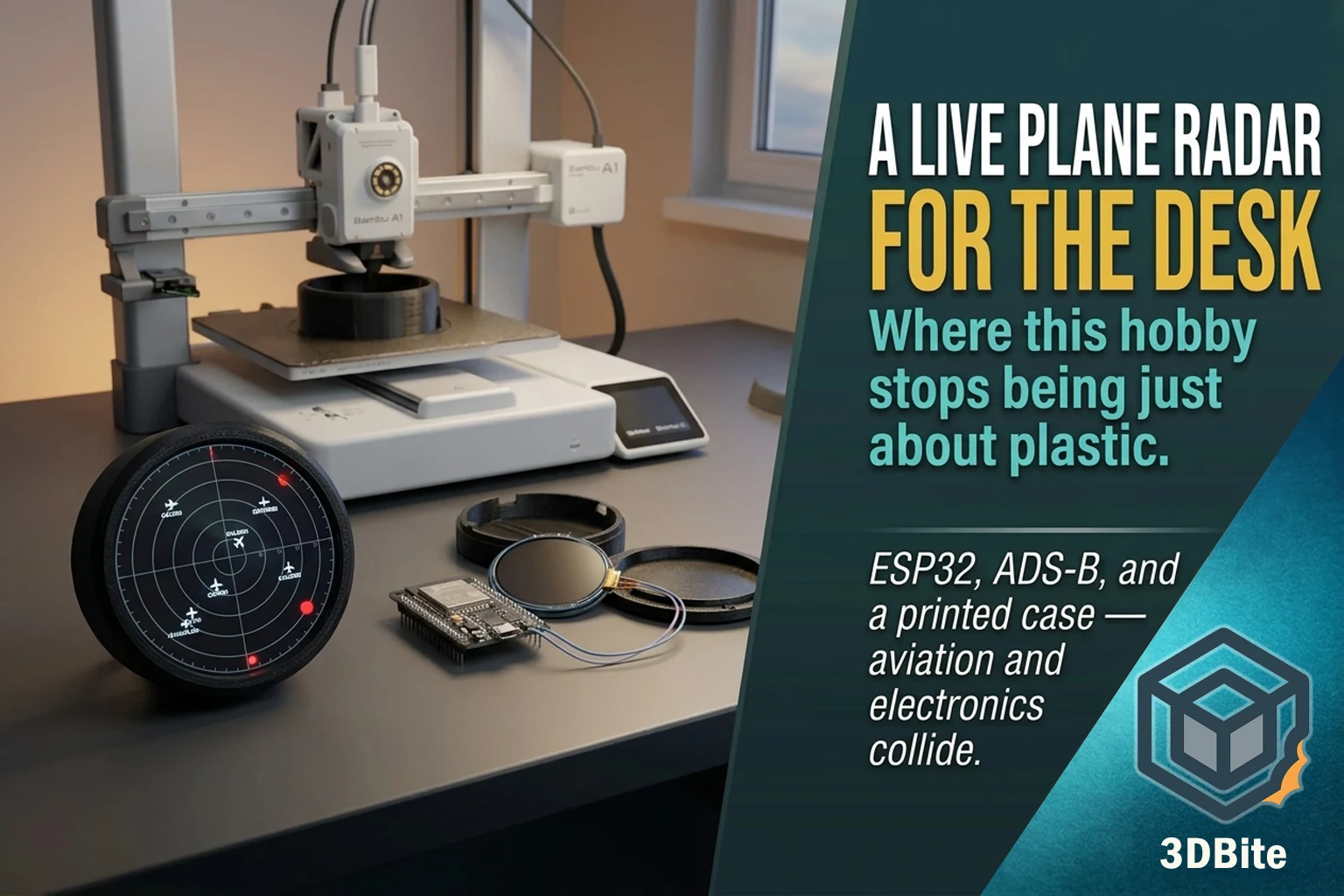
Building a Live Plane Radar for the Desk — Where This Hobby Stops Being Just About Plastic
Every so often a project comes along that reminds me why I got into this hobby in the first place, and it is never purely about the plastic. The 3D printer is a brilliant tool, but the most satisfying projects are the ones where it is one component of something bigger rather than the entire…
-
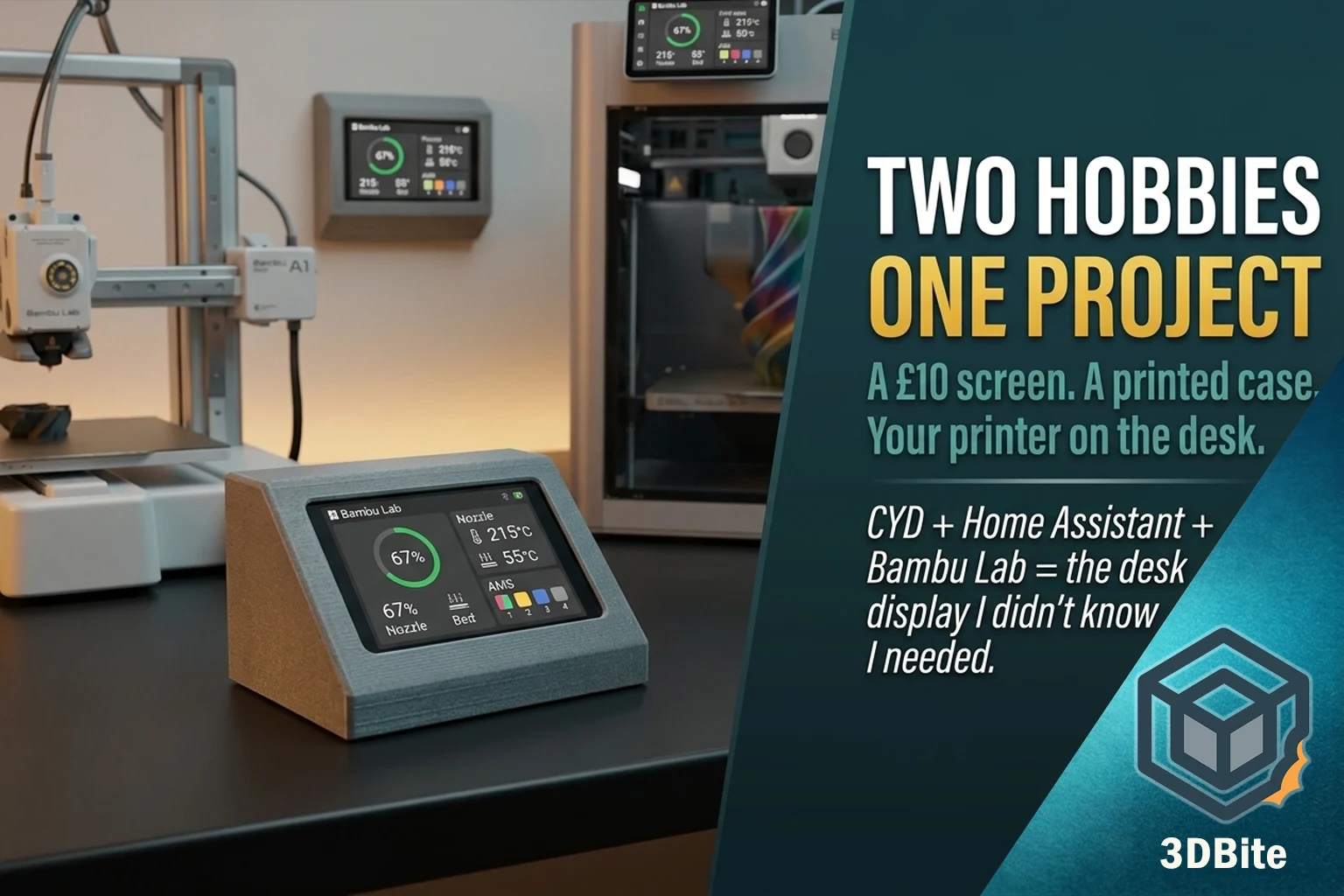
A 3D-Printed Bambu Lab Status Display Using a £10 Touchscreen — Where Two Hobbies Collide
This post is directly inspired by a piece published on the Adafruit blog on July 9th 2026, which featured the CYD Desk Buddy project by MakerWorld designer annaglyph. Full credit to Adafruit and annaglyph for the original — the links to both are at the bottom and I encourage anyone interested to visit both. What…
Materials I use every day
I print mostly in PLA and PETG. TPU when needed, and resin only when the job requires very fine detail. These notes come from practical use and real results, not datasheet theory.
PLA
Reliable, versatile, and ideal for most home prints. Easy to dial in and great for gifts.
PETG
Tougher and more temperature resistant. Useful for mechanical parts.
TPU
Flexible and fun. Ideal for bumpers, grips, and soft components.
Guides and workflow notes
Short walkthroughs based on real use. Settings that work, slicer approaches that help, and fixes that save time.
-
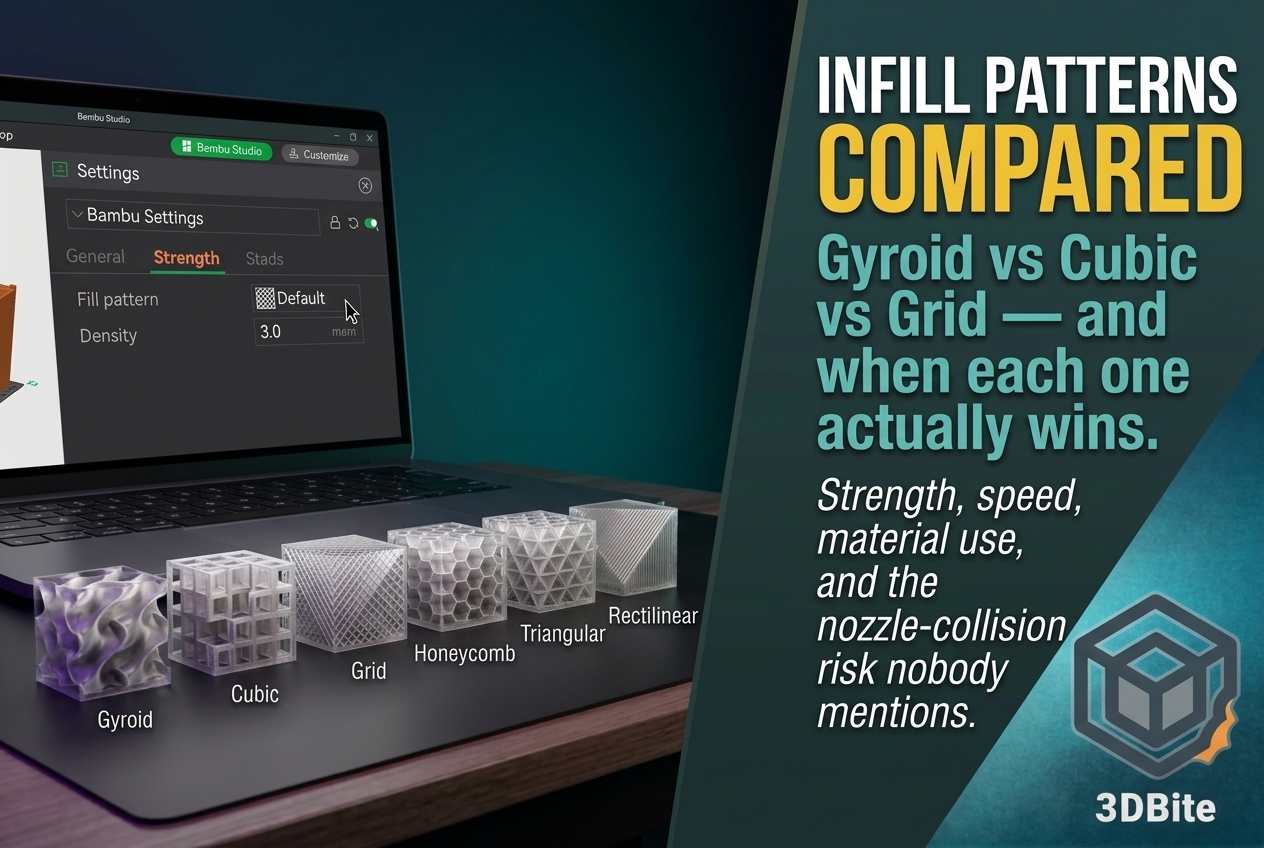
Infill Patterns Compared: Gyroid vs Cubic vs Grid, and When Each One Wins
Most people pick an infill pattern once, leave it on Gyroid forever, and never revisit the question. That is, honestly, not a bad default — Gyroid earns the position it has as the near-universal recommendation in most slicer profiles in 2026. But “near-universal default” is not the same as “always correct,” and understanding what each…
-
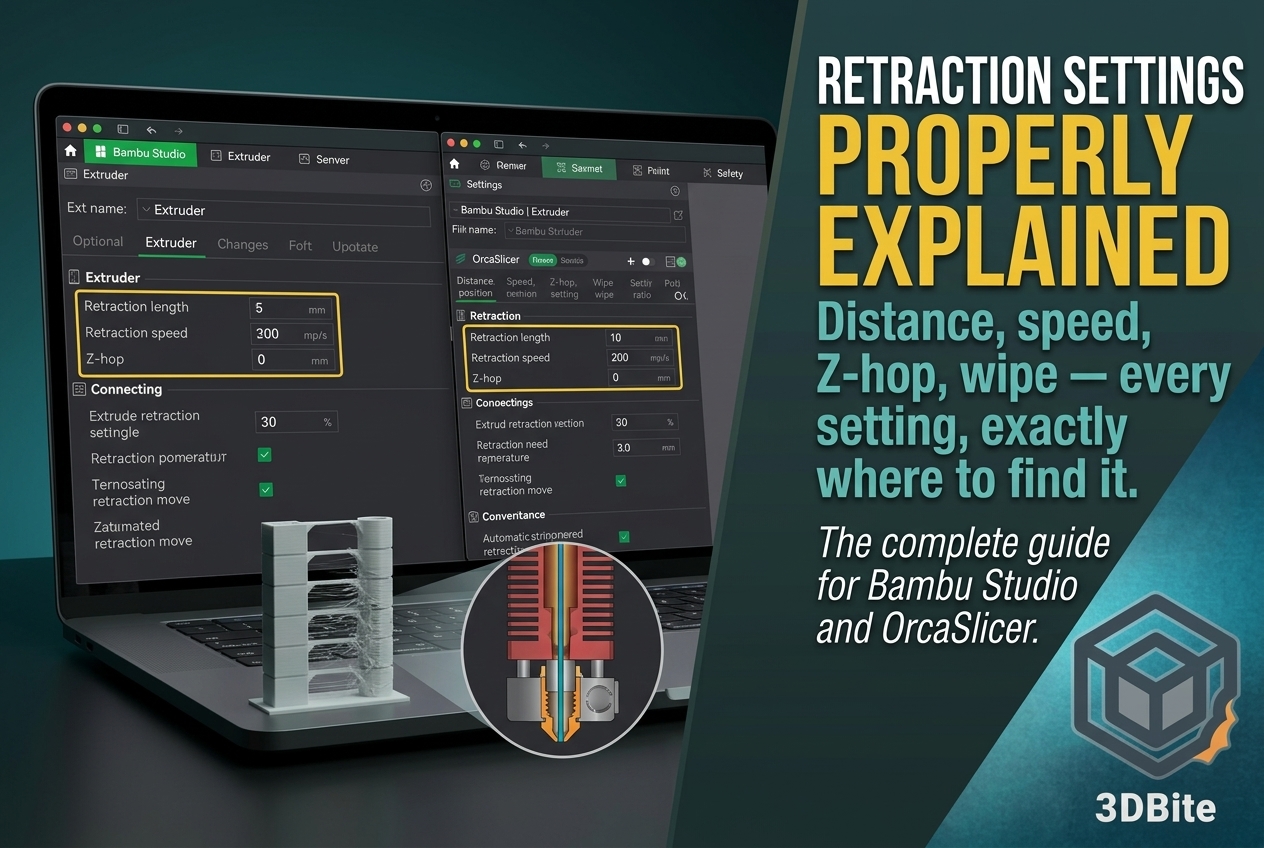
Retraction Settings, Properly Explained
Retraction is the setting most people know they should tune and the one most people tune incorrectly, because a lot of guides treat it as a single number to increase whenever stringing appears. It is actually a small cluster of related settings — distance, speed, a lift, a minimum trigger threshold, and a wipe move…
-
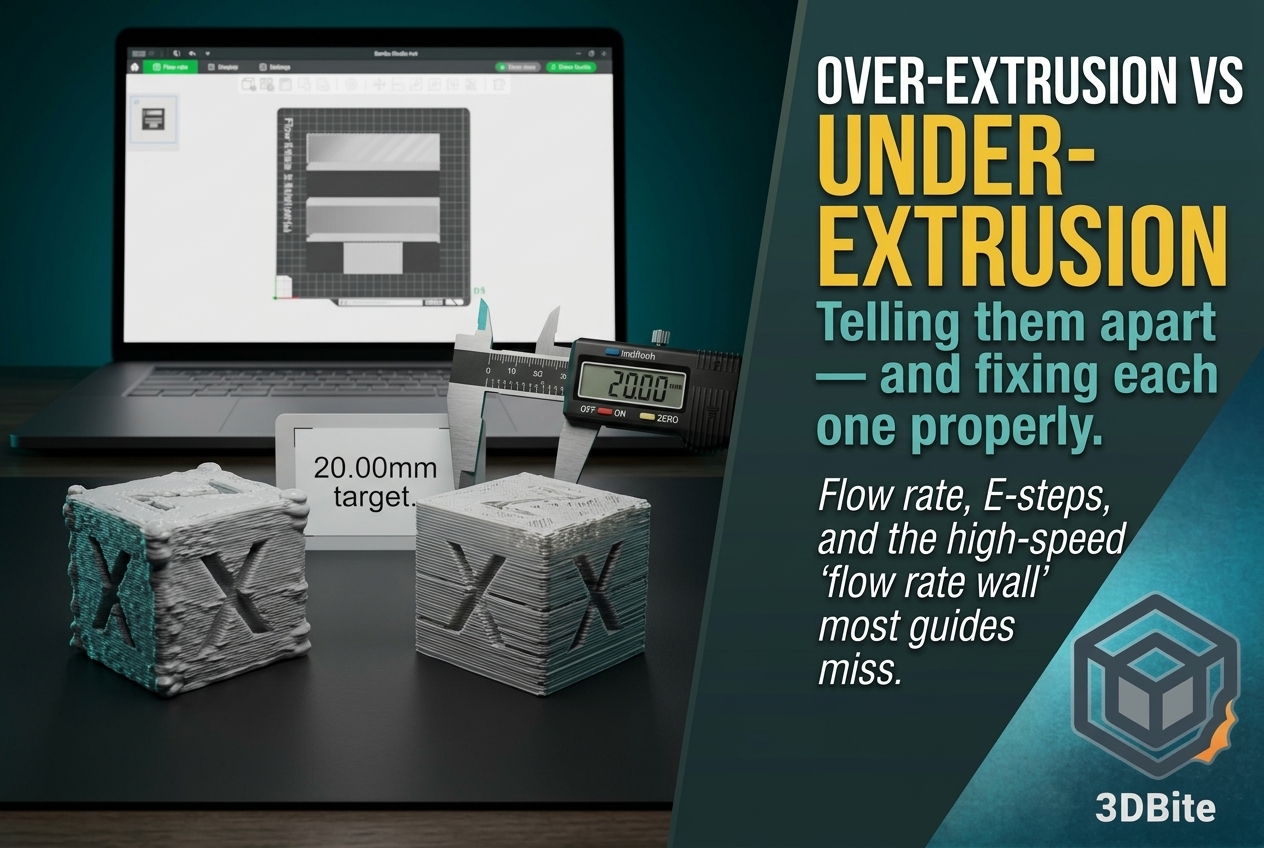
Over-Extrusion vs Under-Extrusion: Telling Them Apart and Fixing Each
Over-extrusion and under-extrusion are two ends of the same underlying problem — the amount of plastic actually coming out of the nozzle does not match the amount the slicer commanded — but they look, feel, and get fixed in opposite directions. One produces too much material and the other too little, and while the diagnostic…
About 3DBite
I started 3D printing more than fifteen years ago with a kit that needed constant tuning. Modern printers like the A1 make things far easier, but the engineering mindset still helps. 3DBite is where I share the projects, the materials, and the workflow that have worked for me.