
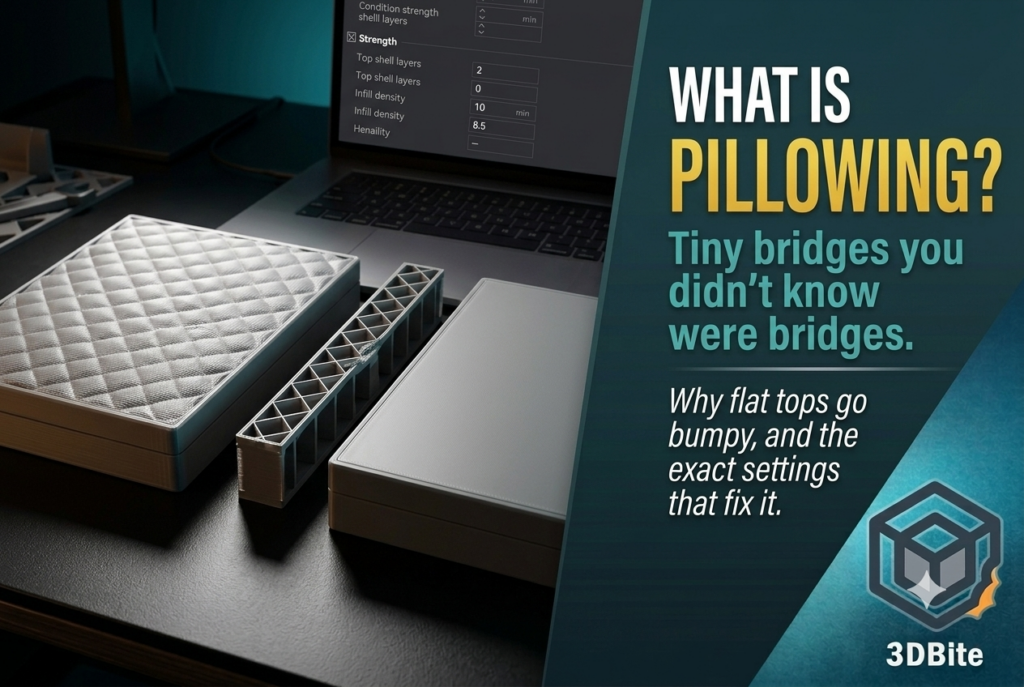
What Is Pillowing, and How Do You Actually Avoid It?
Pull a box lid or a flat-topped case off the plate and the top surface should be smooth. Instead, it
This is where the real learning sits.
Most of the content here is built from practical use. Every setting, workflow, and recommendation comes from prints that have either worked well or gone wrong and been fixed. The aim is simple: reduce trial and error and help you get to reliable results faster.
Alongside that, you’ll also find occasional breakdowns of new printers, tools, and features. These aren’t news for the sake of it. The focus is always on what actually matters in real use, what’s changed, and whether it’s worth your attention.
Pull a box lid or a flat-topped case off the plate and the top surface should be smooth. Instead, it
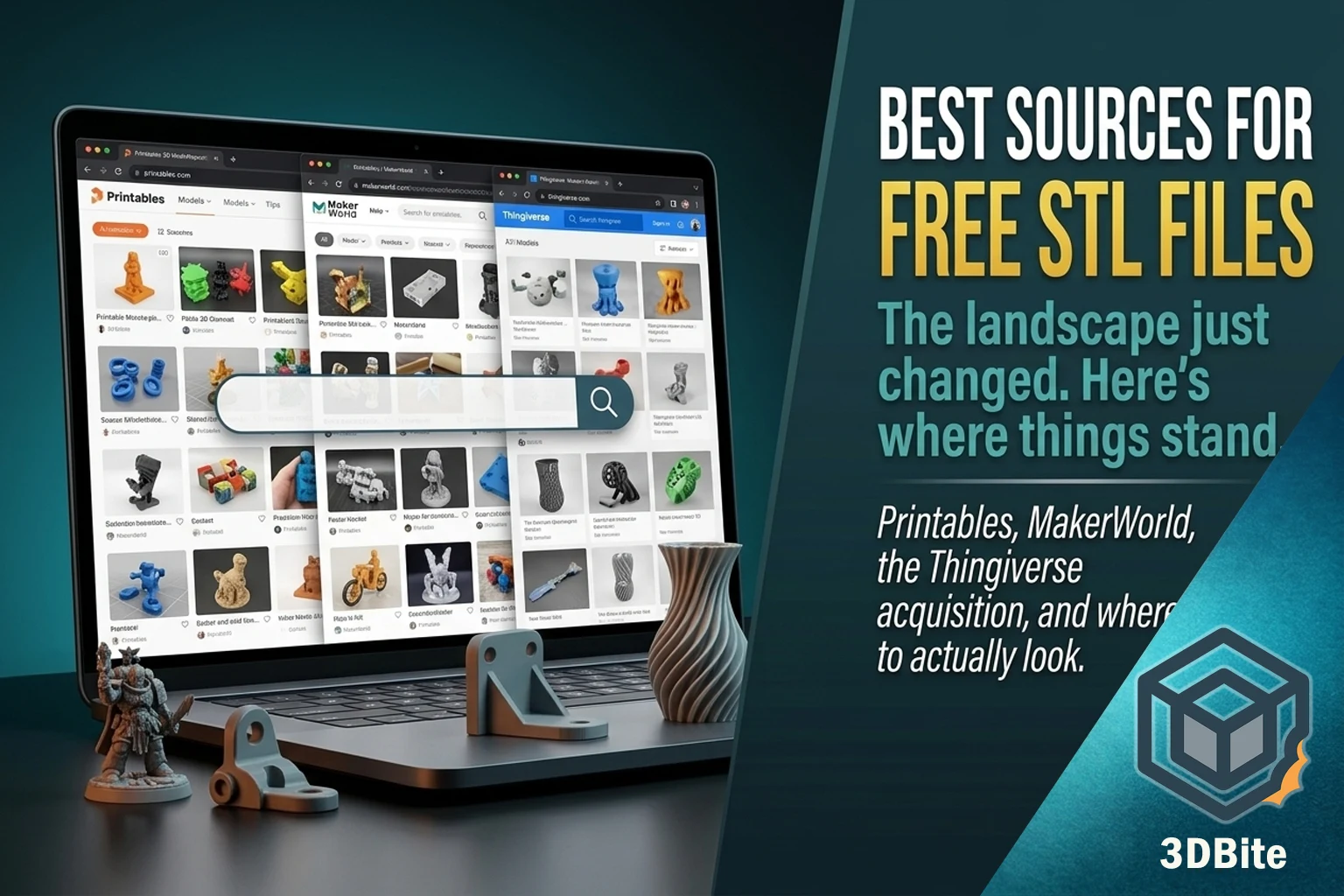
Updated 20 October 2026: added 3Dfindit, a free engineering CAD portal that suits a very different job from the hobby
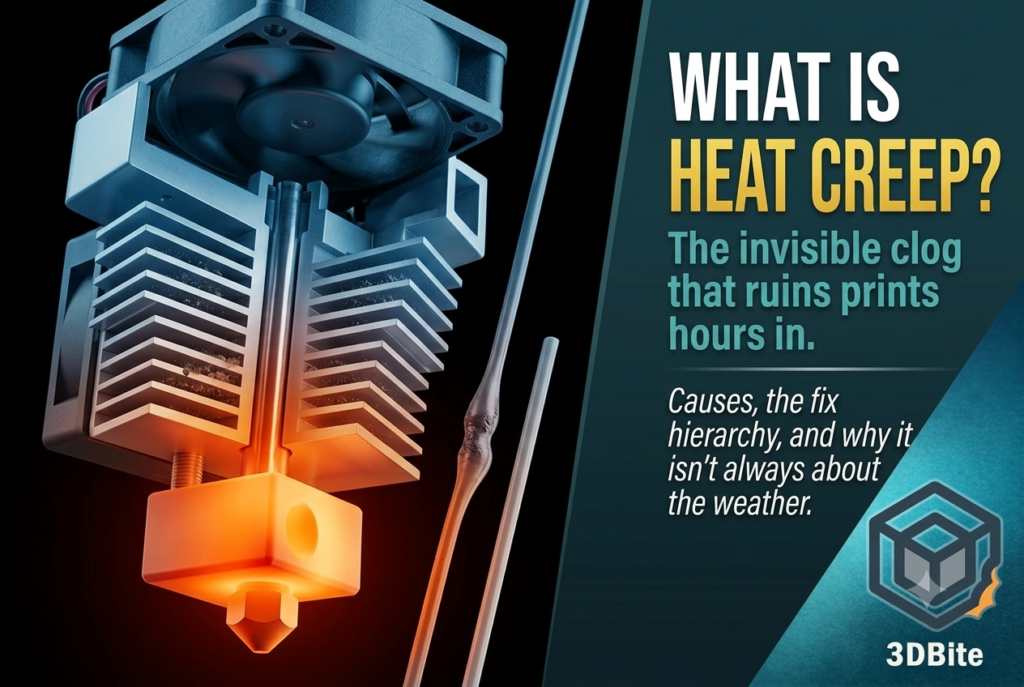
A print runs perfectly for two hours and then, with no settings changed and no obvious cause, the extruder starts
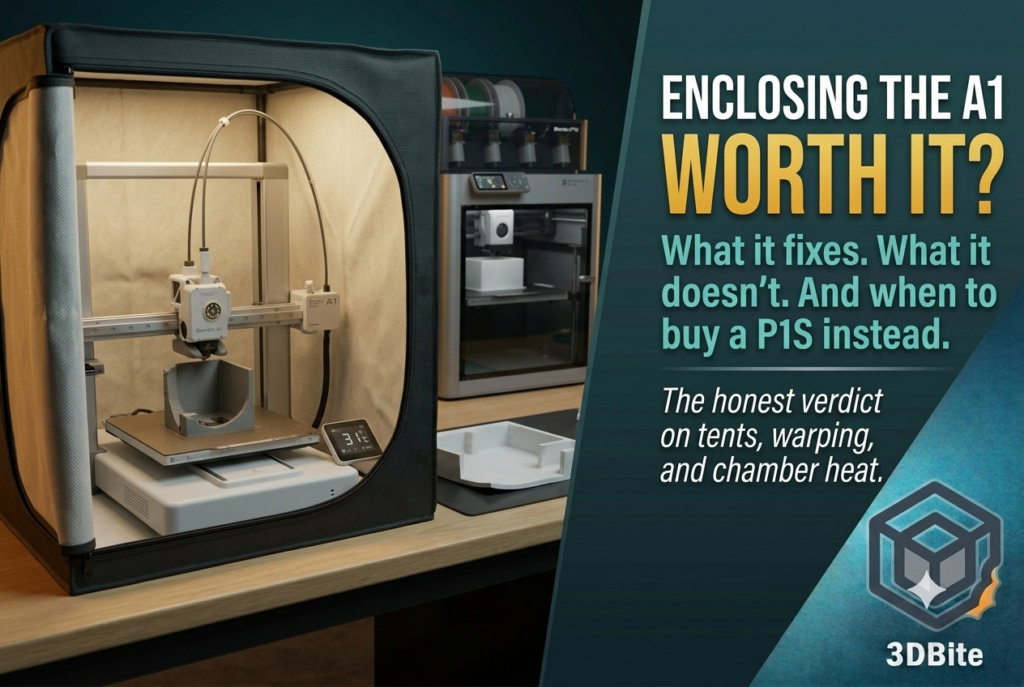
The A1 is an open-frame bed slinger and Bambu built it that way deliberately. No enclosure, no chamber heating, no
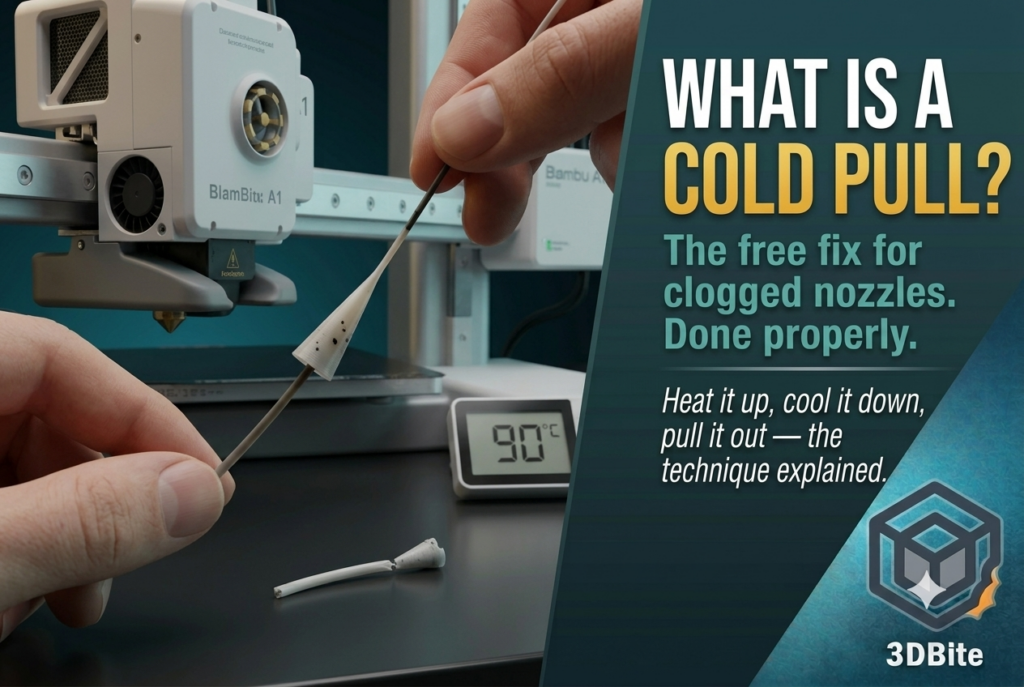
A cold pull is one of the oldest maintenance techniques in FDM printing and one of the most underused. It
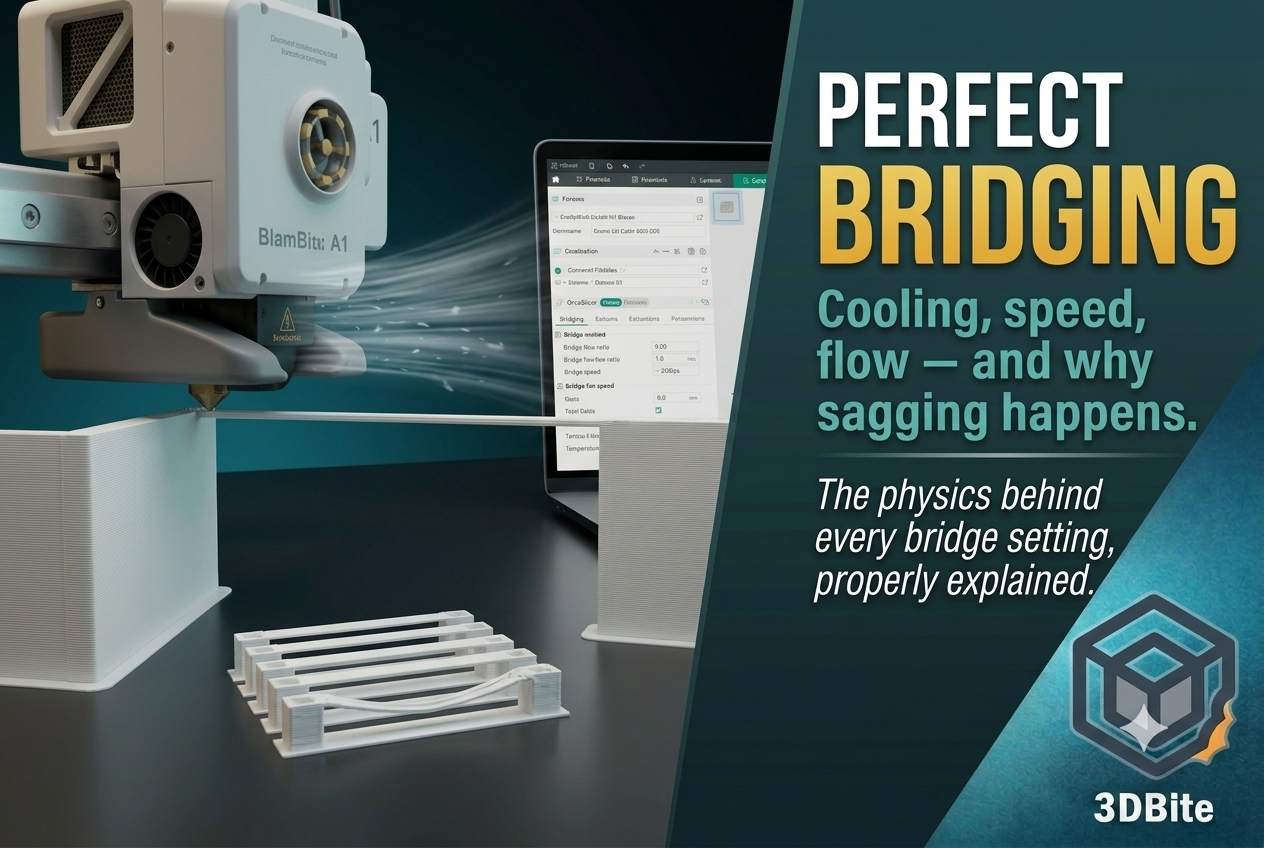
A bridge is the one place in FDM printing where the nozzle deposits filament into thin air and expects it
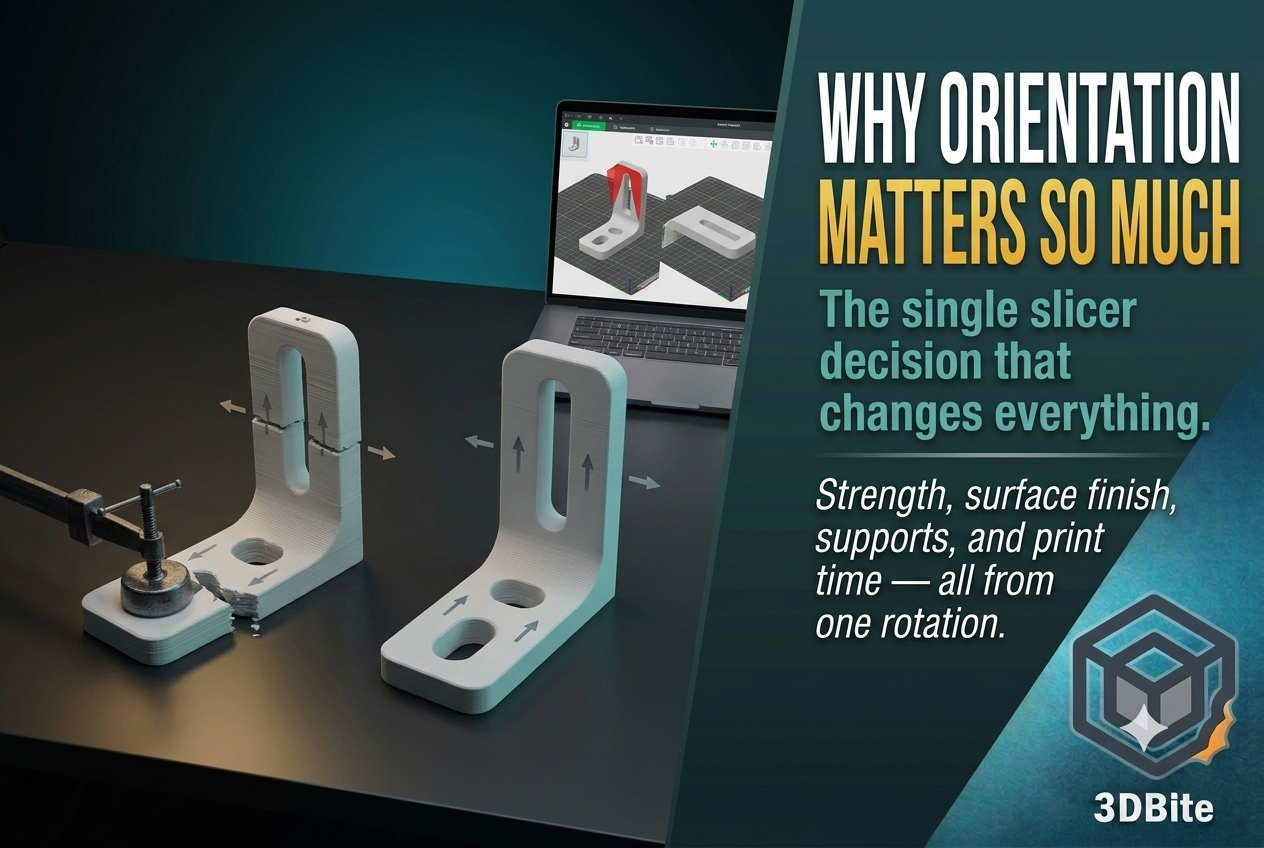
The same STL file, printed in two different orientations on the same printer with identical settings, can produce two parts
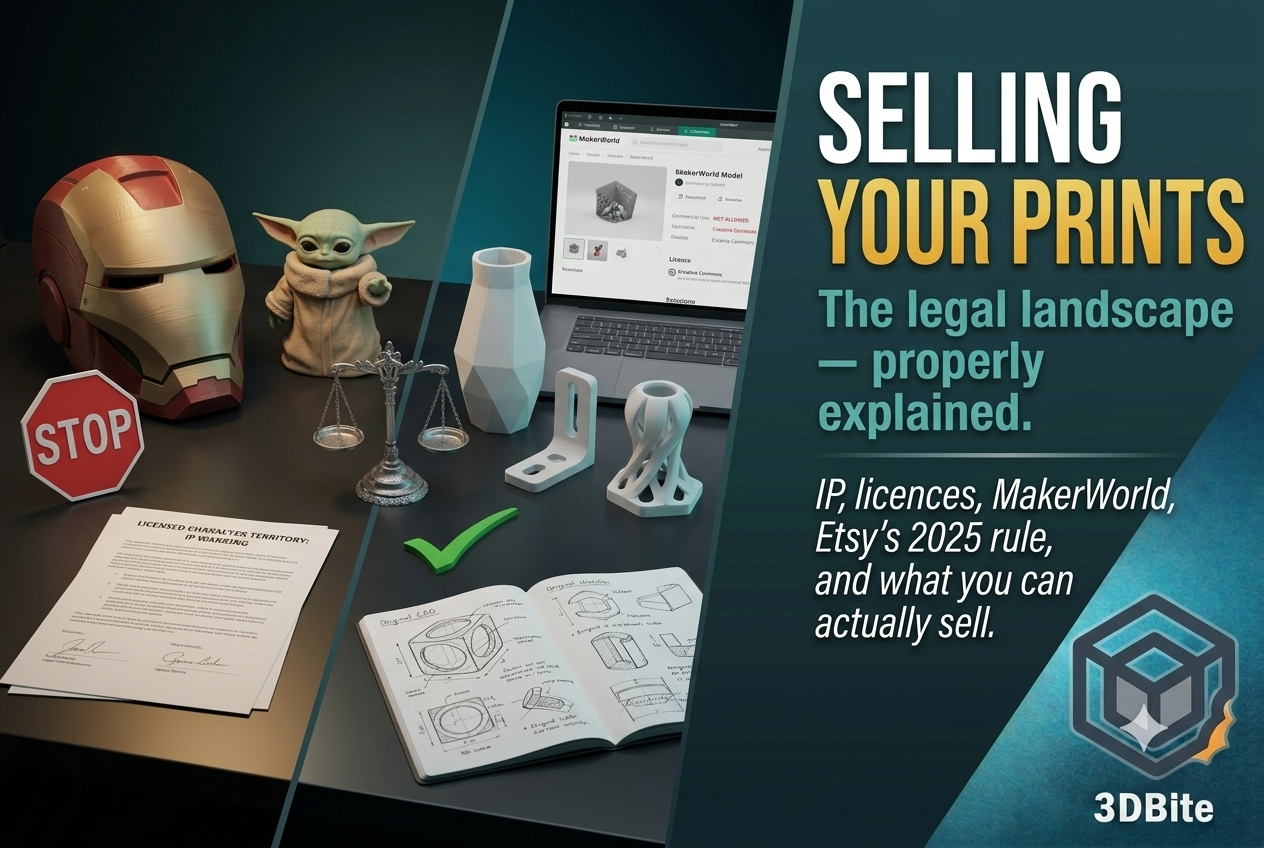
All3DP published an excellent legal guide to selling 3D printed items in May 2026, written by senior editor Carolyn Schwaar
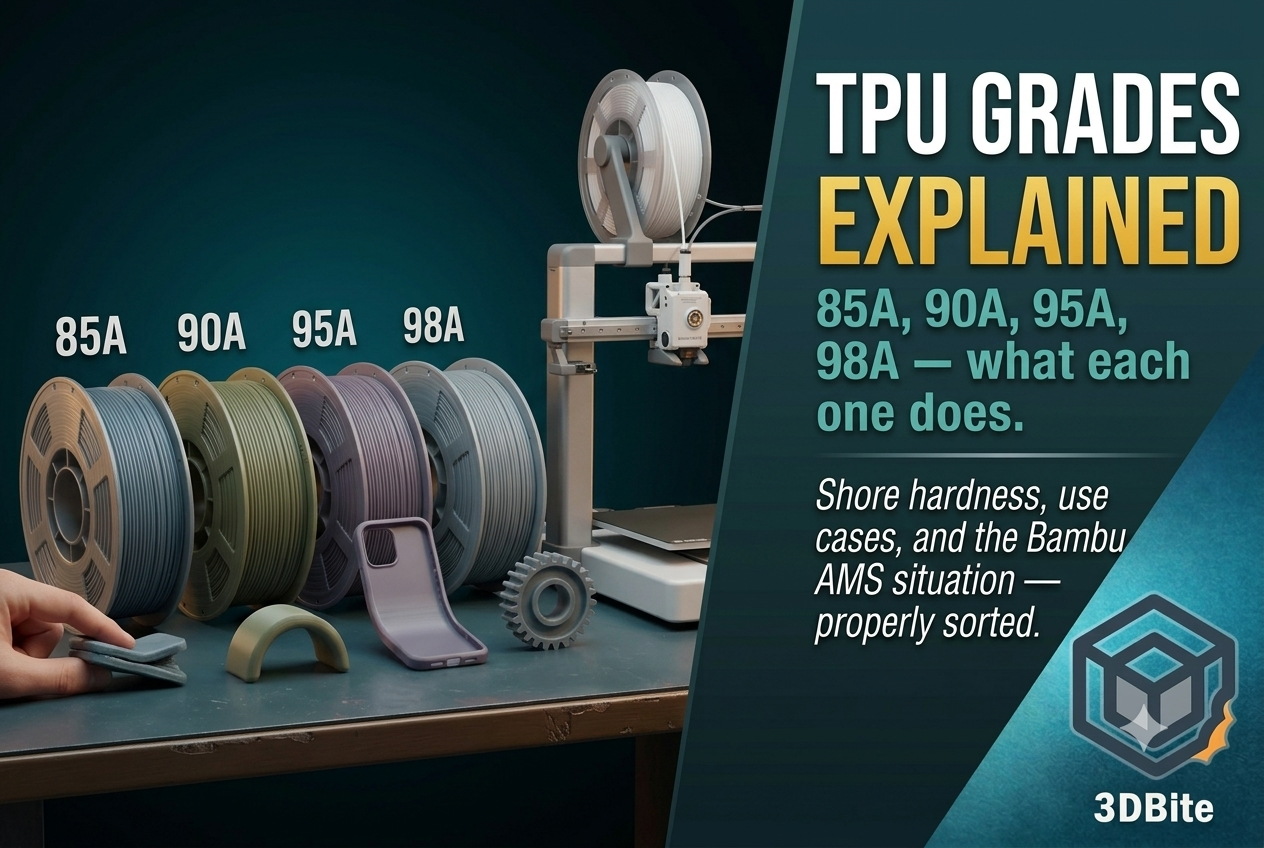
TPU is the material that looks simple until you try to buy it. The spool says TPU. Another says TPU
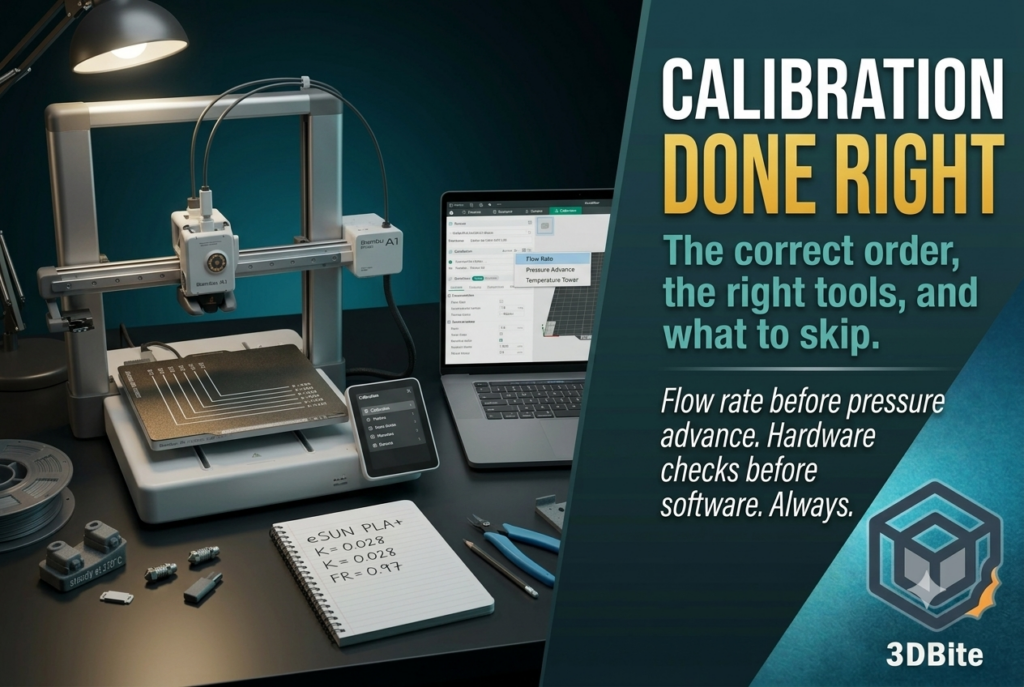
Calibration on a Bambu machine is not the same conversation it is on a Prusa or an Ender. Bambu’s built-in
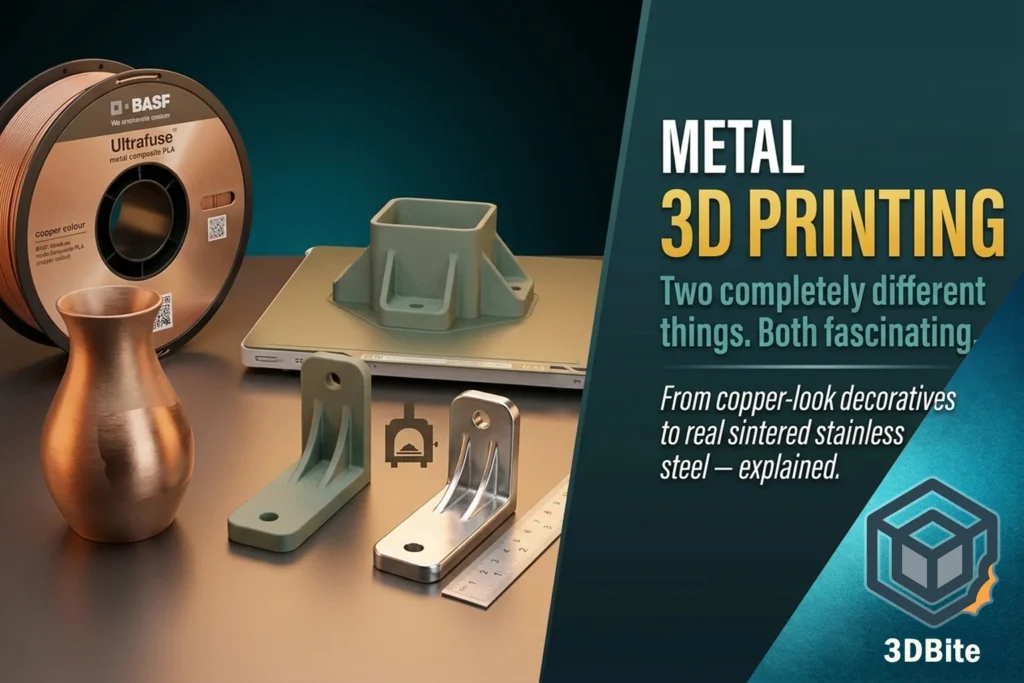
I went into researching this post knowing roughly two things: that there is filament with metal in it, and that
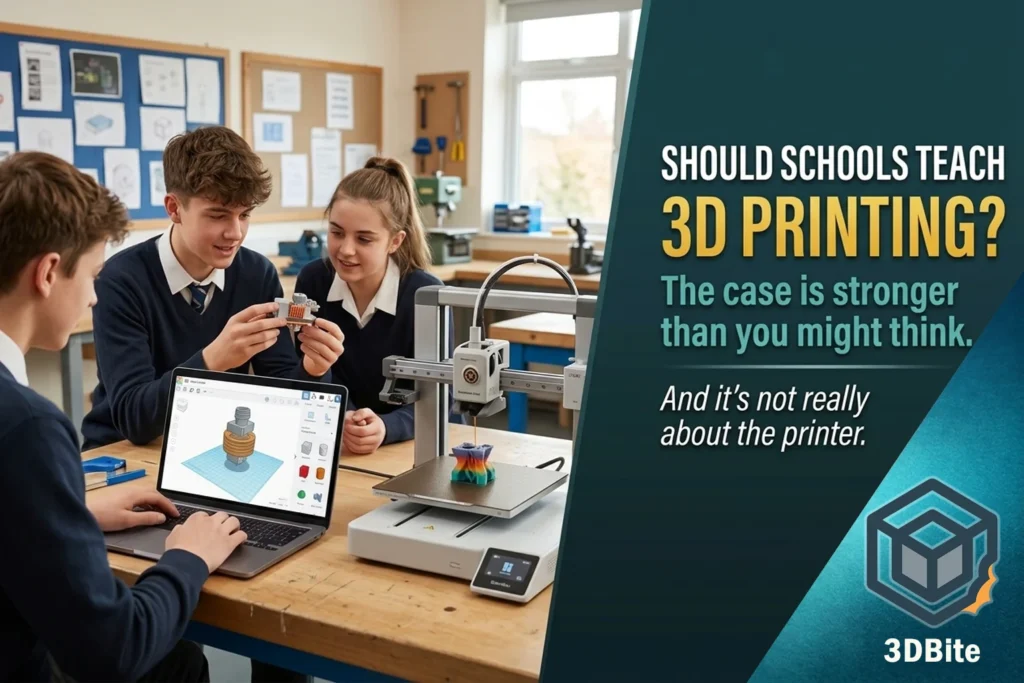
Yes. But that answer needs unpacking, because what makes 3D printing and 3D modelling worth teaching in schools is not